
Pleocoma octopagina
Robertson, 1970
rain beetle
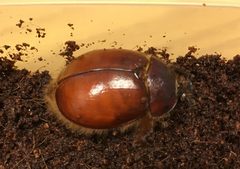
Pleocoma octopagina is a of rain beetle described by Robertson in 1970. It belongs to the Pleocomidae, a small group of scarabaeoid beetles known for their autumn following rainfall. The species occurs in California on the lower West Coast of North America.
Pronunciation
How to pronounce Pleocoma octopagina: /pliːoʊˈkoʊmə ˌɒktoʊˈpædʒɪnə/
These audio files are automatically generated. While they are not always 100% accurate, they are a good starting point.
Identification
The specific epithet 'octopagina' refers to eight pages or lobes, likely describing a diagnostic feature of the male genitalia or abdominal structure used to distinguish this from . Positive identification requires examination of these specialized structures.
Images
Habitat
Inferred from characteristics: pleocomid beetles are associated with sandy or friable soils in coastal and foothill regions where larvae can burrow deeply.
Distribution
Known from California, USA, on the lower West Coast of North America. GBIF records confirm presence in the Nearctic region with specific locality in California.
Seasonality
emerge in autumn, typically following the first substantial rains of the season. This pattern is characteristic of the Pleocoma.
Life Cycle
Larvae are soil-dwelling and presumed to feed on organic matter or roots at depth; development likely spans multiple years based on related .
Behavior
are active on the surface only during or immediately after rainfall, spending most of their underground. Males fly to locate flightless females.
Ecological Role
Larvae contribute to soil aeration through burrowing activity; may serve as food for vertebrate during brief surface activity periods.
Human Relevance
Limited direct interaction with humans; occasionally encountered by entomologists and naturalists during autumn rain events.
Similar Taxa
- Pleocoma rickseckeriOverlaps in California distribution; distinguished by male genitalia and subtle differences in antennal structure.
- Pleocoma australisSouthern California with similar autumn pattern; requires examination of male parameres for definitive separation.
More Details
Etymology
The specific epithet 'octopagina' derives from Greek 'okto' (eight) and Latin 'pagina' (page/leaf), describing an eight-lobed or eight-paged anatomical structure.
Conservation Status
Not formally assessed; restricted range and specific requirements may warrant monitoring given coastal California development pressures.