
Pleocoma fimbriata
LeConte, 1856
Fimbriate Rain Beetle
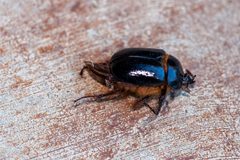
Pleocoma fimbriata is a of rain beetle in the Pleocomidae, known from California. Rain beetles are characterized by their flightless females and autumn-emerging that are often associated with rainfall events. The species was described by LeConte in 1856.
Pronunciation
How to pronounce Pleocoma fimbriata: /ˌplɛ.əˈkoʊ.mə fɪmˈbraɪ.ə.tə/
These audio files are automatically generated. While they are not always 100% accurate, they are a good starting point.
Identification
Members of Pleocoma are distinguished from other scarabaeoid beetles by their (burrowing) adaptations, including broad, flattened forelegs with stout spines for digging. Males possess well-developed wings and can fly, while females are flightless with reduced or absent wings. Specific identification of P. fimbriata requires examination of male genitalia and comparison with ; the epithet 'fimbriata' refers to fringed or bordered characteristics, likely of diagnostic morphological features.
Images
Habitat
California chaparral and oak woodland ; emerge from underground burrows following autumn rains.
Distribution
to California, United States; records concentrated in coastal and foothill regions of the state.
Seasonality
active during autumn, typically October to December, with triggered by rainfall events.
Life Cycle
Complete with larval development occurring underground; larvae feed on decaying organic matter and roots. are short-lived and do not feed; their primary function is . The extended larval stage likely spans multiple years, though specific duration for this is not documented.
Behavior
Males fly low to the ground in search of flightless females, which remain in or near their burrows. Mating occurs at the female's burrow entrance. Both sexes are primarily or . The 'rain beetle' derives from the strong association between and precipitation events.
Ecological Role
Larvae contribute to soil aeration and nutrient cycling through burrowing activity and consumption of organic matter. serve as a seasonal food source for vertebrate including birds and mammals.
Human Relevance
Of interest to entomologists and naturalists due to the unique of the ; not considered an agricultural pest. Flightless females are occasionally encountered by hikers in autumn.
Similar Taxa
- Pleocoma other speciesCongeneric overlap in range and share general ; precise identification requires examination of male genitalia and other subtle characters.
- Other Pleocomidae members share flightless females and autumn , but Pleocoma is the only in the family in California.