
Ceruchus
Macleay, 1819
Species Guides
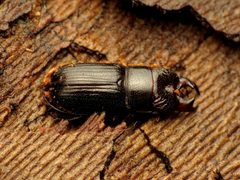
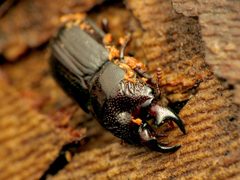
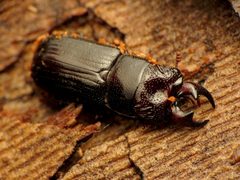
3- Ceruchus piceus(Red-rot Decay Stag Beetle)
- Ceruchus punctatus
- Ceruchus striatus
Ceruchus is a of stag beetles in the Lucanidae, established by Macleay in 1819. The genus comprises approximately 18–19 described . Members are saproxylic beetles associated with decaying wood. At least one species, Ceruchus chrysomelinus, is an endangered relict of natural Central European montane forests.
Pronunciation
How to pronounce Ceruchus: //sɛˈruːkʊs//
These audio files are automatically generated. While they are not always 100% accurate, they are a good starting point.
Identification
Ceruchus are distinguished from other by their placement in the tribe Ceruchini within Syndesinae. Specific morphological characters distinguishing the genus from related are not documented in available sources.
Images
Habitat
Forest with decaying wood. Ceruchus chrysomelinus has been documented in natural Central European montane forests, specifically in humid, medium-to-strongly decayed logs with brown rot penetrated deep into the wood.
Distribution
Europe (Central European montane regions), North America (Vermont, United States; Sweden; Norway based on GBIF records).
Life Cycle
Larval development occurs in decaying wood. For Ceruchus chrysomelinus, this occurs specifically in humid logs with advanced brown rot decay.
Ecological Role
Saproxylic organism; contributes to wood decomposition. Ceruchus chrysomelinus has been proposed as an for natural European forests, with its conservation potentially benefiting other saproxylic organisms.
Human Relevance
Ceruchus chrysomelinus is an requiring conservation management, including maintenance of dead wood supply in montane forests.