
Chaetarthria
Stephens, 1835
Species Guides
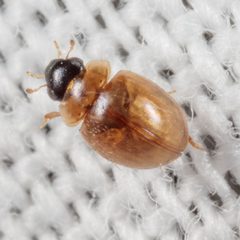
3Chaetarthria is a of water scavenger beetles in the Hydrophilidae, first described by Stephens in 1835. The genus contains at least 27 described . These beetles are placed in the Chaetarthriinae and tribe Chaetarthriini. They are small aquatic beetles associated with freshwater .
Pronunciation
How to pronounce Chaetarthria: //kaɪˈtɑːrθriə//
These audio files are automatically generated. While they are not always 100% accurate, they are a good starting point.
Identification
Members of Chaetarthria can be distinguished from other Hydrophilidae by their placement in the Chaetarthriinae, characterized by specific morphological features of the chaetotaxy (bristle arrangement) and genitalia. The is distinguished from other chaetarthriine genera by features of the , maxillary palps, and male genitalia. -level identification requires examination of genitalic structures and other fine morphological details.
Images
Habitat
Freshwater aquatic environments. in this are typically found in lentic (still water) including ponds, marshes, and slow-moving water bodies.
Distribution
Recorded from Denmark, Norway, and Sweden based on GBIF distribution data. The has a broader distribution across the Palearctic and other regions, with known from Europe and Asia.
Ecological Role
As water scavenger beetles, members of this likely contribute to nutrient cycling in freshwater through scavenging and processing of organic matter.
Similar Taxa
- Other Hydrophilidae generaChaetarthria is distinguished from other hydrophilid by its placement (Chaetarthriinae), which is characterized by reduced mesoventral process and specific features of the .
- Other Chaetarthriinae generaWithin the Chaetarthriinae, Chaetarthria is distinguished from related such as Anacaena and Cercyon by differences in antennal club structure, maxillary palp , and male genitalia.
More Details
Taxonomic History
The was established by Stephens in 1835. It has been traditionally classified within the Hydrophilidae, with modern phylogenetic studies supporting its placement in the Chaetarthriinae.
Species Diversity
At least 27 are currently recognized in the , though the exact number may vary with taxonomic revisions. Species are primarily distinguished by subtle morphological differences, particularly in male genitalia.