
Chaetarthriinae
Bedel, 1881
Tribe Guides
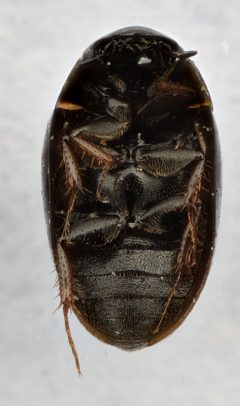
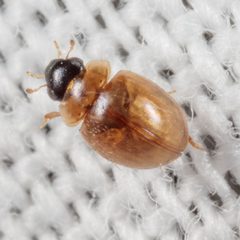
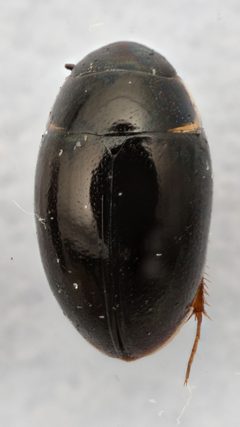
2Chaetarthriinae is a of aquatic beetles in the Hydrophilidae, containing 92 in 8 . The subfamily is divided into two tribes: Chaetarthriini and Anacaenini. Larvae exhibit morphological diversity reflecting to varied environments. Phylogenetic analyses based on larval characters have not recovered the subfamily as monophyletic, with Chaetarthria diverging early due to unique modifications associated with riparian .
Pronunciation
How to pronounce Chaetarthriinae: //kaɪtɑːrˈθraɪɪniː//
These audio files are automatically generated. While they are not always 100% accurate, they are a good starting point.
Identification
Larvae can be distinguished by detailed chaetotaxy patterns, particularly of the third instar. Chaetarthria is distinguished from other Chaetarthriinae by unique morphological modifications associated with riparian lifestyles. Guyanobius larvae share characters with Anacaenini, particularly Crenitis and Crenitulus. The tribe Anacaenini (including former Horelophinae) is separated from Chaetarthriini based on larval character states.
Images
Appearance
Larvae possess morphologically distinct chaetotaxy (arrangement of setae) that varies among . Third instar larvae have been described in detail for some , showing measurable morphometric differences. are aquatic beetles in the Hydrophilidae.
Habitat
Aquatic and semi-aquatic environments. Riparian specifically documented for Chaetarthria. Broader environmental diversity indicated across the as a whole.
Life Cycle
Development includes distinct larval instars; third instar larvae have been described and illustrated in detail for several . Larval varies substantially among lineages, reflecting environmental adaptations.
Similar Taxa
- Laccobiini (Paracymus, Tormus)May appear phylogenetically close to Chaetarthriinae (excluding Chaetarthria) in some analyses based on larval characters, though this position is considered an artifact of rather than true relationship.
- HorelophinaeFormerly recognized as a separate , now included within Anacaenini based on phylogenetic analysis.
More Details
Phylogenetic Status
The monophyly of Chaetarthriinae remains unresolved. Maximum and Bayesian inference analyses based on larval characters do not recover the as monophyletic when unconstrained. Chaetarthria consistently diverges as an early branch, while Guyanobius shows variable placement either as sister to Anacaenini or nested within it.
Homoplasy Partitioning
Convergent morphological evolution in larval characters has complicated phylogenetic reconstruction. partitioning has been employed as a technique to reduce artifacts caused by convergent morphologies in this group.