
Geomysaprinus
Ross, 1940
clown beetles
Species Guides
11- Geomysaprinus castanipennis(Chestnut-winged Clown Beetle)
- Geomysaprinus cheyennensis(Cheyenne Clown Beetle)
- Geomysaprinus floridae(Equal-clawed Gopher Tortoise Hister Beetle)
- Geomysaprinus formicus(clown beetle)
- Geomysaprinus goffi
- Geomysaprinus moniliatus(clown beetle)
- Geomysaprinus parumpunctatus(clown beetle)
- Geomysaprinus posthumus(clown beetle)
- Geomysaprinus rugosifrons(clown beetle)
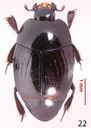
Geomysaprinus is a of clown beetles in the Histeridae, established by Ross in 1940. The genus contains at least 20 described , distributed primarily in North America. Members are small, compact beetles typical of the Saprininae . The genus name reflects an association with Geomyidae (pocket gophers), suggesting possible commensal or symbiotic relationships with mammal burrows.
Pronunciation
How to pronounce Geomysaprinus: //dʒiːoʊmɪˈsæprɪnəs//
These audio files are automatically generated. While they are not always 100% accurate, they are a good starting point.
Identification
Geomysaprinus are distinguished from other Saprininae by combinations of characters including antennal club structure, pronotal shape, and elytral striation patterns. Specific identification requires examination of male genitalia and detailed microsculpture. The is separated from closely related Saprininae genera primarily by tarsal and antennal .
Images
Habitat
in this have been collected from mammal burrows, particularly those of pocket gophers ( Geomyidae), and from associated soil and debris. Some species occur in nests. include grasslands, prairies, and open woodlands across North America.
Distribution
North America, with records from the United States and Canada. occur across diverse regions including the Great Plains, Rocky Mountains, and southeastern United States.
Host Associations
- Geomyidae - commensalMultiple collected from pocket gopher burrows; relationship not fully characterized
- Formicidae - commensalSome recorded from nests
Similar Taxa
- Saprininae genera (undifferentiated)Geomysaprinus requires careful examination of antennal and tarsal characters to distinguish from related such as Euspilotus and others in the ; superficially similar in body form and size
More Details
Taxonomic history
The was erected by Ross in 1940 to accommodate previously placed in other Saprininae genera, particularly those associated with mammal burrows. The type species is Geomysaprinus goffi Ross, 1940.
Species diversity
At least 29 have been described, with the showing notable diversity in the central and western United States. Several species were originally described by Casey, Horn, and LeConte in the late 19th and early 20th centuries.