
Omalodini
Kryzhanovskij, 1972
clown beetles
Genus Guides
1- Omalodes(clown beetles)
Omalodini is a tribe of clown beetles ( Histeridae) comprising at least two and more than 60 described . The tribe was redefined in 2015 to include only the genera Ebonius and Omalodes. Members are distributed across Latin America with some species extending into the southern United States. Available ecological data are limited to a few species in the genus Scapomegas, which are associated with carrion and decomposing organic matter in forest biomes.
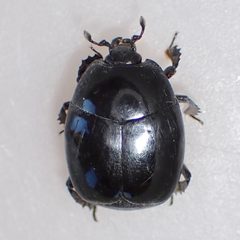
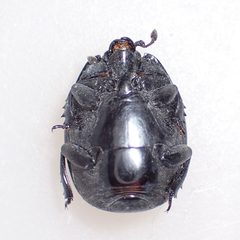
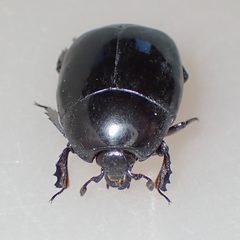
Pronunciation
How to pronounce Omalodini: /ˌoʊməˈloʊdɪnaɪ/
These audio files are automatically generated. While they are not always 100% accurate, they are a good starting point.
Identification
The tribe Omalodini sensu nov. can be distinguished from other Histeridae tribes by the combination of: all tibiae with a row of setae on the outer submarginal region; antennal scapus with abruptly expanded base approximately parallel-sided to apex; slightly emarginated posteriorly; and supraorbital indicated posteriorly. An identification key to the Ebonius and Omalodes is available.
Images
Habitat
Forest biomes including Atlantic Forest and Amazon. Specific data are documented for Scapomegas : found in rotten meat, carcasses, and dendrophilic mushrooms. The new species Omalodes atacamanus was described from the Atacaman biogeographic province in Chile.
Distribution
Latin America, with some reaching the southern United States. Documented from Atlantic Forest and Amazon biomes of South America, and the Atacaman biogeographic province of Chile.
Diet
Rotten meat, carcasses, and dendrophilic mushrooms (documented for Scapomegas ).
Ecological Role
Carrion-associated beetles; likely decomposers in forest based on documented feeding habits of Scapomegas .
Similar Taxa
- Other Histeridae tribesOmalodini sensu nov. is distinguished by the combination of tibial setal arrangement, antennal scapus , prosternal emargination, and supraorbital pattern.
More Details
Taxonomic history
Omalodini was redefined in 2015 (Zootaxa 3925) to restrict the tribe to a lineage comprising only Ebonius and Omalodes, excluding other previously assigned to the tribe.