Eropterus
Green, 1951
Species Guides
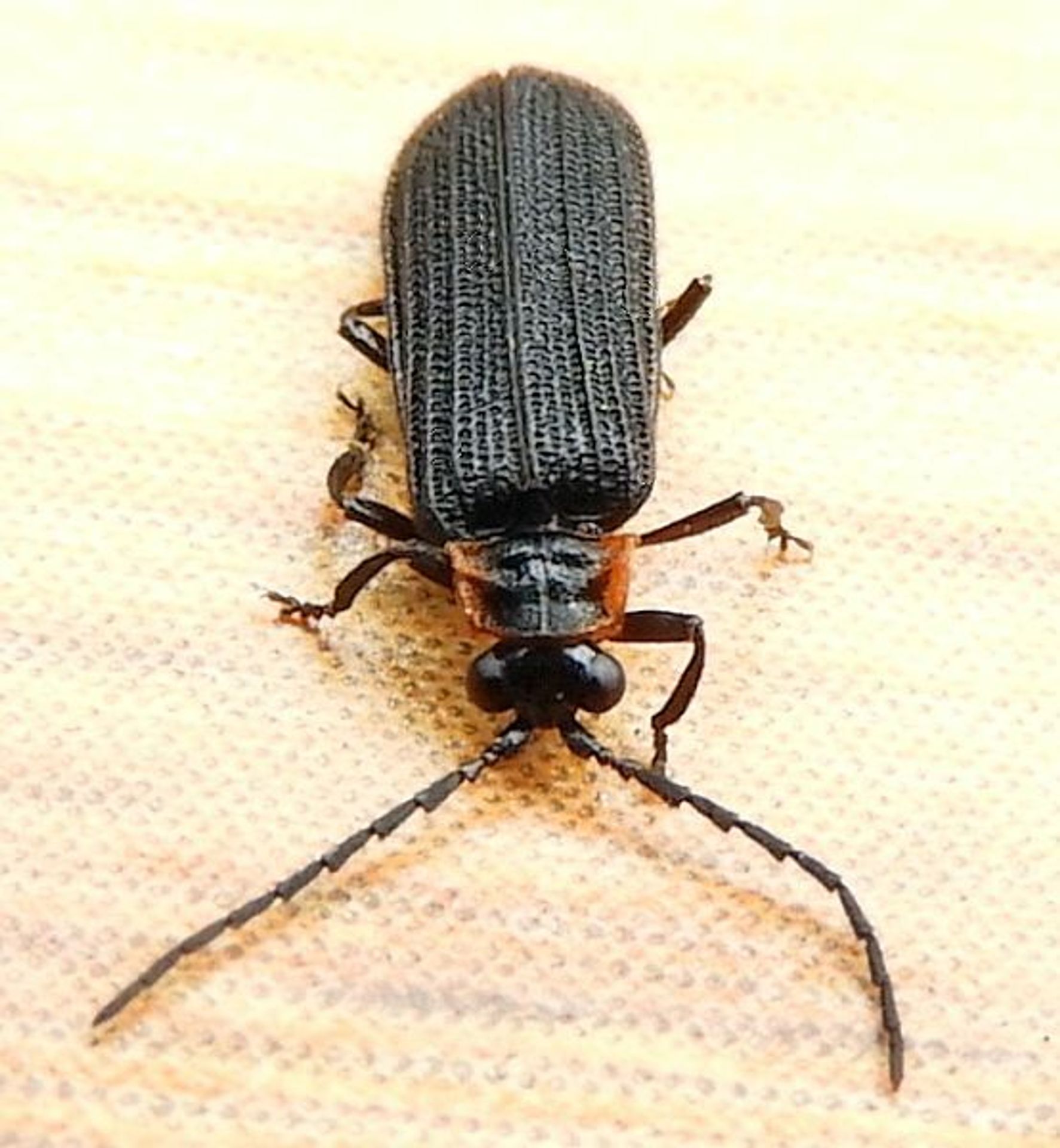
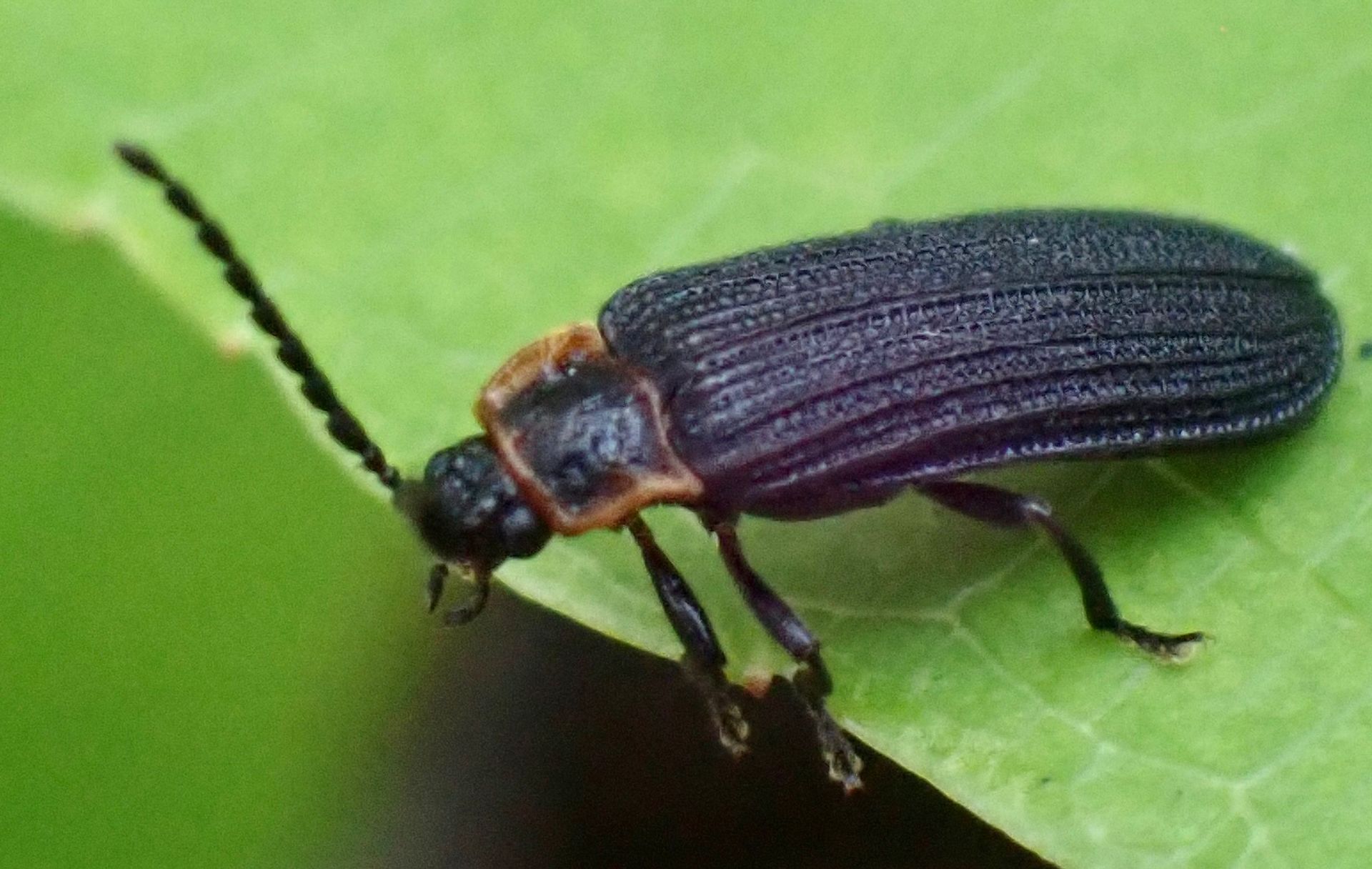
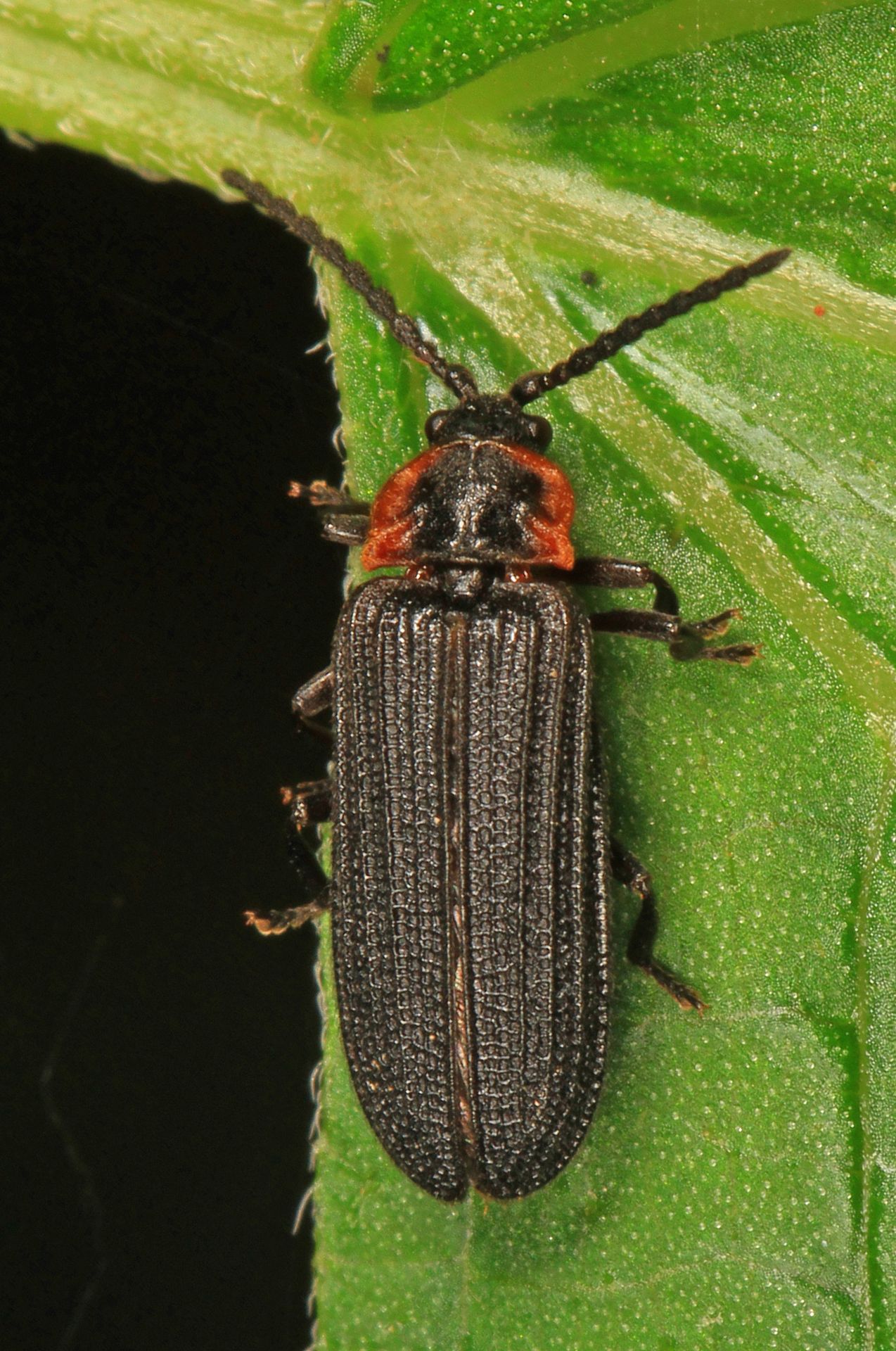
2Eropterus is a of net-winged beetles in the Lycidae, established by Green in 1951. The genus contains approximately 10 described distributed primarily in North America and East Asia. Species in this genus share the characteristic reticulated typical of Lycidae, with some species displaying distinctive color patterns including yellow or orange markings. The genus includes both historically described species (E. trilineatus, 1846) and more recently described (E. masumotoi, 2011).
Pronunciation
How to pronounce Eropterus: /ɛˈrɒptɛrəs/
These audio files are automatically generated. While they are not always 100% accurate, they are a good starting point.
Identification
Members of Eropterus possess the diagnostic features of Lycidae: with a dense network of raised creating a reticulated or net-like surface. Specific can be distinguished by elytral coloration patterns—E. trilineatus and E. bilineatus bear longitudinal stripes, while E. flavipennis has yellow wings. The can be separated from related lycid genera through combinations of pronotal shape, antennal structure, and detailed venation patterns. Accurate identification to species level requires examination of male genitalia and comparison with .
Images
Habitat
occur in forested environments where their larvae develop in decaying wood. Specific microhabitat preferences vary by species; some North American species have been recorded in eastern deciduous forests.
Distribution
Disjunct distribution spanning eastern North America (United States, including Vermont) and East Asia (Taiwan, Japan). The trans-Pacific distribution pattern is shared with several other lycid .
Seasonality
activity period varies by and region. North American species have been observed during summer months; precise for most species remains undocumented.
Life Cycle
Complete with larval development in decaying wood, typical of Lycidae. Larvae are likely predatory on other wood-inhabiting . Specific details of developmental duration and sites are unknown for most .
Ecological Role
Larvae contribute to nutrient cycling in forest through consumption of decaying wood and associated organisms. may serve as models in mimicry complexes due to their aposematic coloration.
Human Relevance
No significant direct economic impact. Some may be encountered by entomologists and naturalists in forest . The bright coloration of makes them conspicuous and potentially subject to collection.
Similar Taxa
- Lycidae (other genera)Other net-winged beetle share reticulated ; Eropterus distinguished by specific combinations of pronotal and antennal characters, plus distinctive male genitalia
- CalopteronNorth American with similar orange-and-black coloration; differs in elytral venation and body proportions
More Details
Taxonomic history
The was established by Green (1951) to accommodate previously placed in other lycid genera. Several species have been transferred into Eropterus from other genera, and Japanese and Taiwanese species were described by Matsuda and colleagues in the 2000s-2010s.
Species diversity
The approximately 10 described likely represent an incomplete inventory; additional undescribed species may occur in poorly sampled regions of East Asia and North America.