
Bicellonycha
Motschulsky, 1853
Species Guides
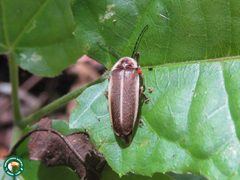
1- Bicellonycha wickershamorum(Southwest spring firefly)
Bicellonycha is a of fireflies (Lampyridae) comprising more than 40 described . Species within this genus exhibit diverse ecological tolerances, with some such as B. lividipennis showing to artificial night lighting and anthropogenic disturbance, while others including B. wickershamorum conservation threats and have been petitioned for listing under the U.S. Act. The genus occurs primarily in the Americas, with documented presence in Brazil and the United States.
Pronunciation
How to pronounce Bicellonycha: /baɪˌsɛloʊˈnaɪkə/
These audio files are automatically generated. While they are not always 100% accurate, they are a good starting point.
Images
Habitat
vary by . B. lividipennis occupies flat swampy areas and marshy fields, often with cattail belts and trampled pastures, including sites under high levels of artificial night lighting (ALAN).
Distribution
Documented from Brazil (São Paulo state: Campinas, Sorocaba, Votorantim municipalities) and the United States; GBIF records indicate presence in Colombia.
Behavior
B. lividipennis is twilight-active and has been observed to persist in artificially illuminated sites. The shows opportunistic expansion into opened areas under anthropogenic influence.
Ecological Role
B. lividipennis has been proposed as a promising bioindicator for environmental monitoring, particularly regarding artificial light pollution impacts.
Human Relevance
Sources and further reading
- BugGuide
- Wikipedia
- GBIF taxonomy match
- iNaturalist taxon
- NCBI Taxonomy
- Catalogue of Life
- Bicellonycha wickershamorum - Entomology Today
- Lighting the Way: How Can Students Shape Firefly Conservation?
- Fotoecological aspects of Bicellonycha lividipennis Motschulsky, 1854 (Coleoptera: Lampyridae) fireflies: adaptation to sites under ALAN and anthropic influence