
Drapetes exstriatus
(Say, 1834)
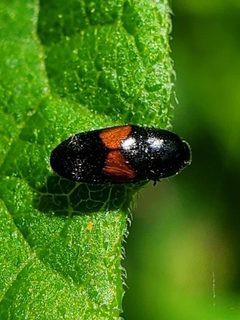
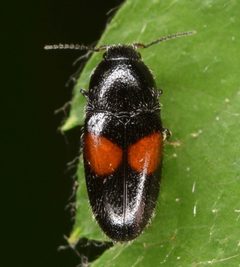
Drapetes exstriatus is a of click beetle in the Elateridae. It was described by Thomas Say in 1834 and is native to eastern Canada. The species belongs to a of small, often inconspicuous beetles. Observations are relatively sparse, with limited published ecological information available.
Pronunciation
How to pronounce Drapetes exstriatus: //ˈdreɪ.pə.tiːz ɛkˈstraɪ.eɪ.təs//
These audio files are automatically generated. While they are not always 100% accurate, they are a good starting point.
Identification
Drapetes are small click beetles, generally under 10 mm in length. D. exstriatus can be distinguished from by subtle differences in elytral striation and body proportions, though precise diagnostic features require examination of or specialized keys. The specific epithet 'exstriatus' suggests reduced or absent elytral compared to related species. Identification to species level typically requires microscopic examination.
Images
Distribution
Eastern Canada, specifically recorded from Ontario and Québec.
Similar Taxa
More Details
Taxonomic history
Described by Thomas Say in 1834, one of the earliest North American entomologists. The Drapetes Dejean, 1821, contains approximately 20 worldwide, with most diversity in the Holarctic region.
Data limitations
Despite being described nearly two centuries ago, D. exstriatus remains poorly documented in modern literature. Most available information derives from museum specimens and scattered collection records rather than ecological studies.