Prosternini
Gistel, 1856
Genus Guides
27- Acteniceromorphus
- Actenicerus(Marsh Click Beetles)
- Anostirus
- Anthracopteryx
- Athoplastus
- Beckerus
- Billbrownia
- Corymbitodes
- Ctenicera(prairie grain wireworm)
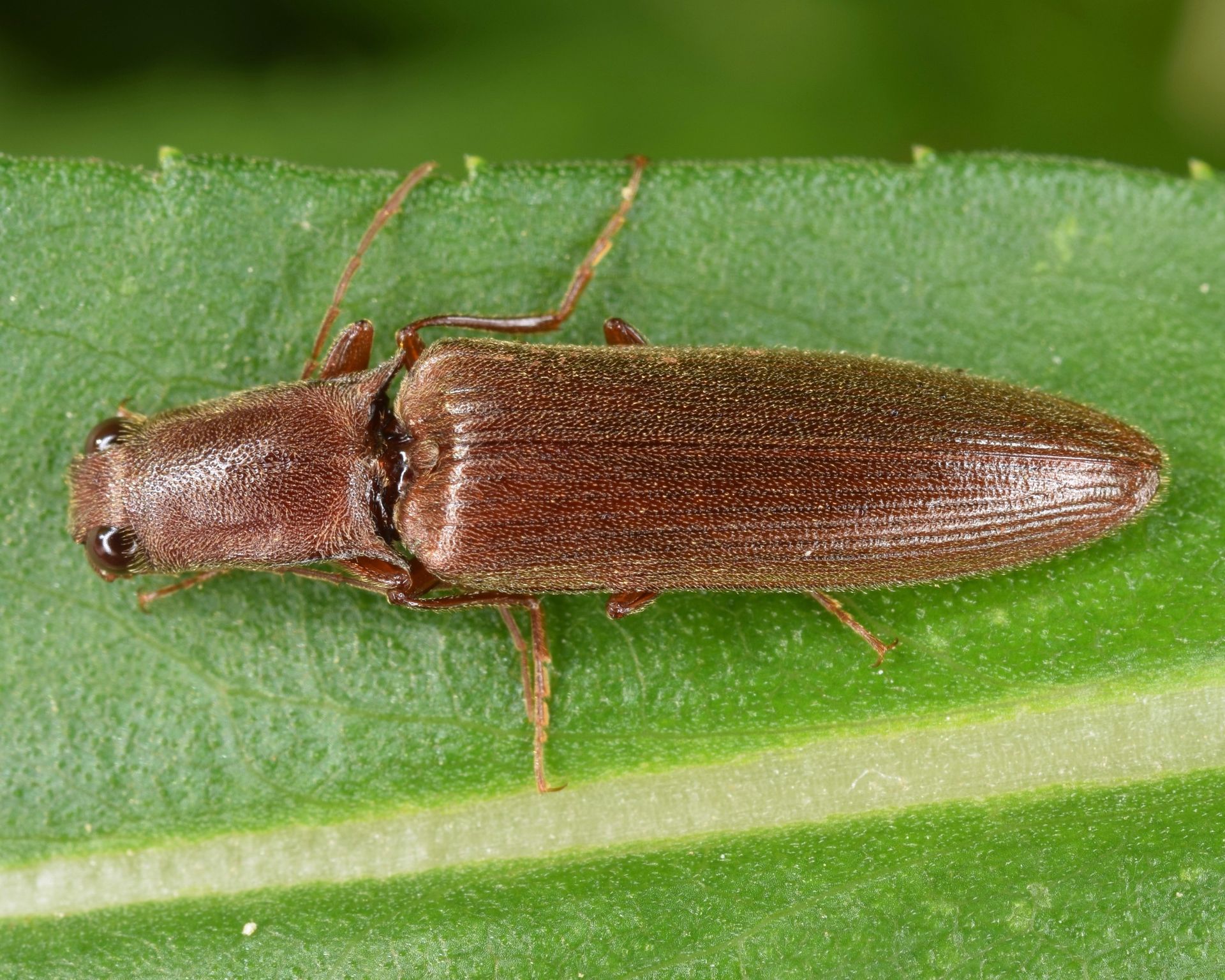
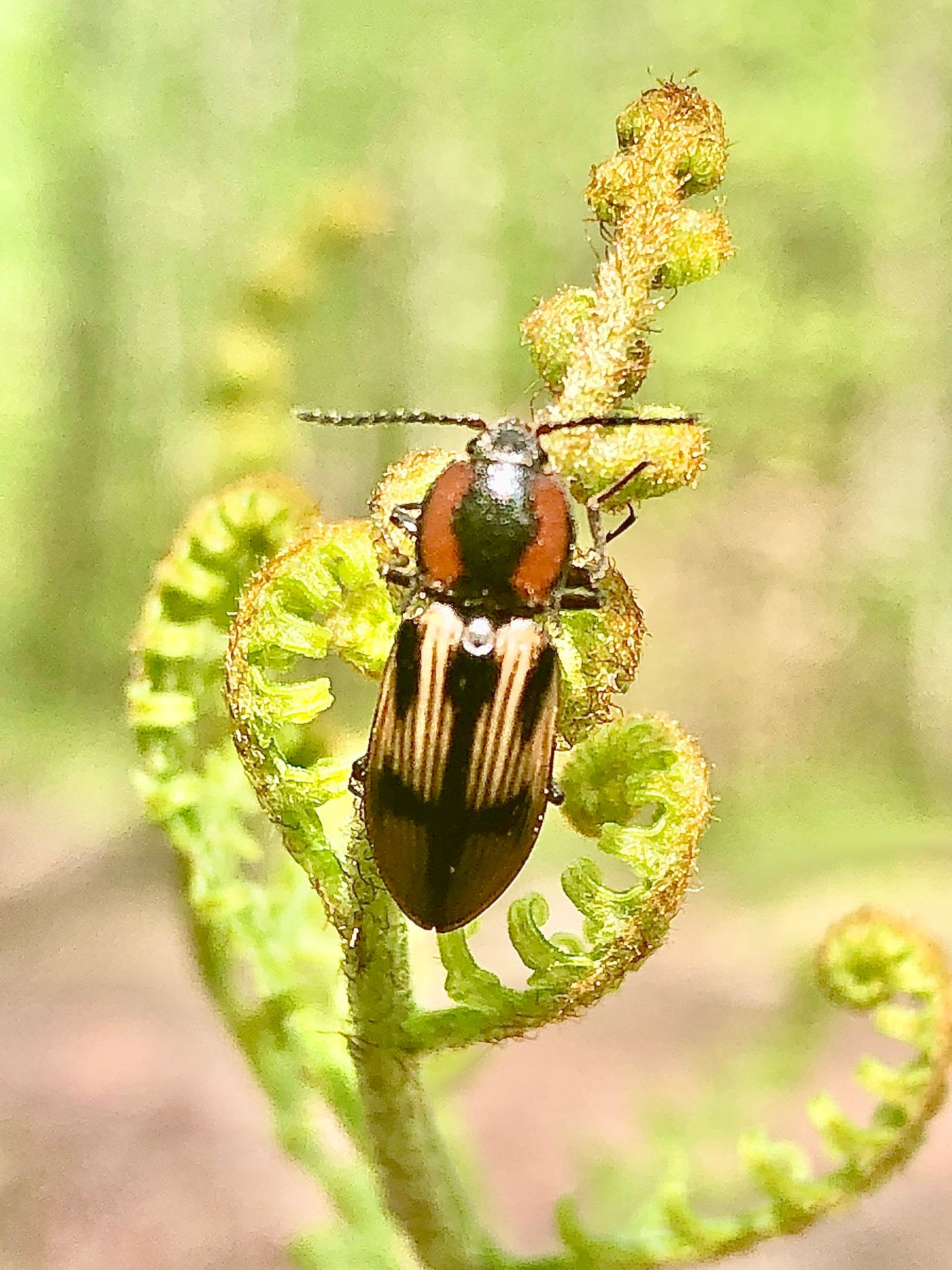
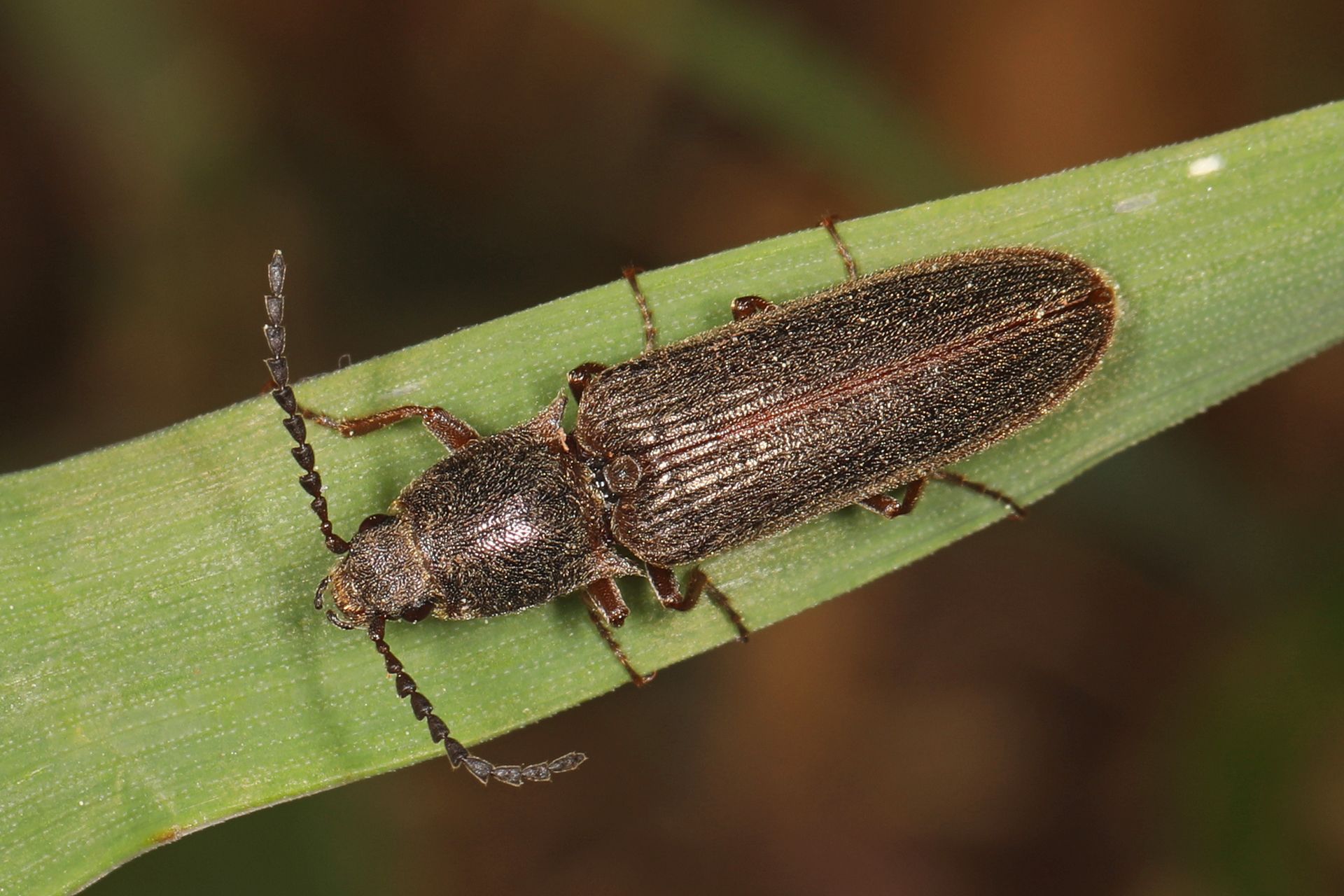
Prosternini is a tribe of click beetles within the Dendrometrinae, Elateridae. The tribe contains at least 20 and approximately 90 described in North America, with additional species distributed elsewhere. Members share the characteristic click beetle body plan with the ability to right themselves using a prosternal-mesosternal clicking mechanism. The tribe was established by Gistel in 1856 and is recognized in modern classifications.
Pronunciation
How to pronounce Prosternini: /proʊˈstɜːrnɪnaɪ/
These audio files are automatically generated. While they are not always 100% accurate, they are a good starting point.
Identification
Prosternini can be distinguished from other Dendrometrinae tribes by combinations of characters including prosternal process shape, mesosternal cavity structure, and antennal . Specific identification requires examination of these sclerotized structures; many species require dissection of genitalia for definitive determination. As a tribe-level , no single visual character distinguishes all Prosternini from all other elaterid tribes.
Images
Habitat
vary by and ; members have been collected in forested environments, including under bark, in decaying wood, and in leaf litter. Some species are associated with coniferous forests.
Distribution
Documented from North America (at least 90 described ), with additional species in other regions. The precise global distribution requires further taxonomic revision.
Seasonality
activity periods vary by and latitude; many North American species are active from spring through summer.
Behavior
possess the characteristic elaterid clicking mechanism, using the prosternal spine and mesosternal groove to produce the audible click that enables righting when overturned. Larvae of some are believed to be predatory or saprophagous in decaying wood.
Similar Taxa
- AthoiniAnother tribe in Dendrometrinae; distinguished by differences in prosternal and mesosternal structure, though definitive separation often requires detailed morphological examination.
- CteniceriniTribe within Dendrometrinae; historically confused with Prosternini and distinguished by subtle differences in thoracic and antennal structure.
More Details
Taxonomic Note
The tribal classification within Dendrometrinae remains under study, and the composition of Prosternini has varied in different treatments. Some have been moved between tribes as phylogenetic relationships are clarified.