
Paracardiophorus fenestratus
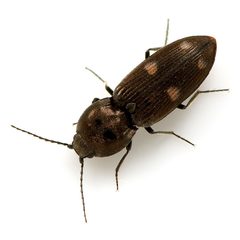
Paracardiophorus fenestratus is a of click beetle in the Elateridae. The Paracardiophorus is a small group within the cardiophorine beetles, characterized by specific morphological features of the pronotum and prosternal process. This species appears to be rarely collected, with limited occurrence data available.
Pronunciation
How to pronounce Paracardiophorus fenestratus: /ˌpærəˌkɑːrdioʊˈfɔːrəs fɛnɪˈstreɪtəs/
These audio files are automatically generated. While they are not always 100% accurate, they are a good starting point.
Identification
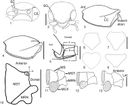
Members of Paracardiophorus can be distinguished from related cardiophorine by the structure of the prosternal process and the form of the pronotum. Specific diagnostic features for P. fenestratus are not well documented in accessible literature.
Images
Similar Taxa
- CardiophorusClosely related in the same Cardiophorinae, sharing general body form and click mechanism; distinguished by differences in prosternal process structure and pronotal shape
More Details
Taxonomic note
The Paracardiophorus was established to accommodate previously placed in Cardiophorus that exhibit distinct prosternal and pronotal characteristics. The specific epithet 'fenestratus' likely refers to window-like or transparent features, possibly of the or pronotum, though this requires verification.
Data availability
Based on iNaturalist records, this has been observed only 3 times, indicating it is either genuinely rare, undercollected, or restricted to specific or geographic regions not frequently surveyed by entomologists.