
Cactopinus
Schwarz, 1899
Species Guides
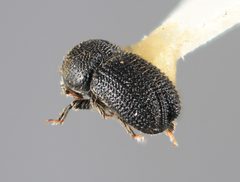
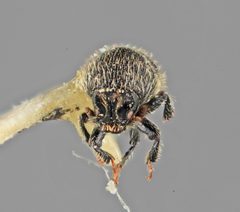
3Cactopinus is a of bark beetles in the Curculionidae, established by Schwarz in 1899. The genus contains over 20 described , with distributions primarily in arid regions of southwestern North America including California and Mexico. Species in this genus are associated with cactus , as indicated by the genus name. Two species, C. cactophthorus and C. mexicanus, were reclassified to the new genus Cactopinorus.

Pronunciation
How to pronounce Cactopinus: /kæktoʊˈpaɪnəs/
These audio files are automatically generated. While they are not always 100% accurate, they are a good starting point.
Identification
Members of Cactopinus can be distinguished from related bark beetles by characters detailed in taxonomic keys, though specific diagnostic features require examination of morphological traits such as pronotal and elytral structure. The is distinguished from the related genus Cactopinorus, which was erected to accommodate C. cactophthorus and C. mexicanus based on distinct morphological differences.
Images
Habitat
Arid and semi-arid regions of southwestern North America, including desert environments in California and San Luis Potosi, Mexico. Associated with cactus plants as material.
Distribution
Southwestern United States (California) and Mexico (San Luis Potosi and adjacent arid regions).
Host Associations
- cacti - name and association imply cactus , though specific host records not explicitly detailed in available sources.
Ecological Role
As bark beetles, in this likely contribute to decomposition of cactus material and nutrient cycling in desert . Some species may act as for microorganisms associated with cactus decay.
Similar Taxa
- Cactopinorus erected to accommodate former Cactopinus C. cactophthorus and C. mexicanus based on morphological distinctions; previously confused with Cactopinus.
More Details
Taxonomic History
The was reviewed in 1967, at which time it contained seven . Two new species were described from California and Mexico, and two existing species were transferred to the new genus Cactopinorus.