
Pheloconus
Roelofs, 1875
Species Guides
3- Pheloconus cribricollis
- Pheloconus hispidus(Bristly Curculio)
- Pheloconus infector
Pheloconus is a of weevils in the Curculionidae, established by Roelofs in 1875. The genus contains at least three described : P. cribricollis, P. hispidus, and P. infector. All three species were described in the 19th century and are native to North America. As members of Curculionidae, they possess the characteristic elongated snout (rostrum) typical of weevils.
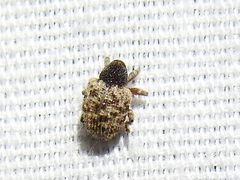
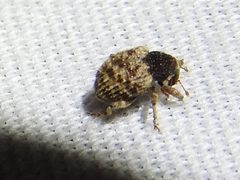
Pronunciation
How to pronounce Pheloconus: /fiːˈloʊkənəs/
These audio files are automatically generated. While they are not always 100% accurate, they are a good starting point.
Identification
Pheloconus can be distinguished from other weevil by their placement within Curculionidae, though specific diagnostic features for the genus are not well documented in accessible literature. The three species may be differentiated by original descriptions: P. cribricollis (Say, 1831) with reference to punctured or sieve-like pronotum, P. hispidus (LeConte, 1876) with hispid (bristly) surface texture, and P. infector (Boheman, 1845).
Images
Distribution
North America. Pheloconus cribricollis, P. hispidus, and P. infector are all North American .
More Details
Taxonomic history
The was established by W. Roelofs in 1875. The three included were originally described under other genera and later transferred to Pheloconus. Pheloconus infector was described by Boheman in 1845, P. cribricollis by Say in 1831, and P. hispidus by LeConte in 1876.