
Mesagroicus herricki
(Pierce, 1910)
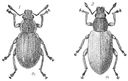
Mesagroicus herricki is a of broad-nosed weevil in the Curculionidae, Entiminae. It was described by Pierce in 1910. The species is known from the southeastern United States, specifically recorded from Alabama and Mississippi. As a member of the Psallidiini tribe, it belongs to a group of weevils characterized by certain morphological features of the rostrum and , though detailed biological studies of this particular species appear limited in the literature.
Pronunciation
How to pronounce Mesagroicus herricki: //mɛsəˈɡrɔɪkəs ˈhɛrɪki//
These audio files are automatically generated. While they are not always 100% accurate, they are a good starting point.
Identification
Identification to level within Mesagroicus requires examination of genitalic characters and detailed external , including the form of the rostrum, elytral , and tarsal structure. The Mesagroicus is distinguished from related genera in Psallidiini by the combination of a relatively short, broad rostrum and specific arrangements of the antennal insertions. Without direct comparison to type material or detailed redescriptions, field identification to species is not reliably possible based on external features alone.
Images
Distribution
Recorded from Alabama and Mississippi in the southeastern United States. Distribution records indicate presence in the Gulf Coastal Plain region of North America.
Similar Taxa
- Mesagroicus obscurusOther in the same , sharing the general body form and distribution in the southeastern United States; requires dissection for reliable separation.
- Other Psallidiini genera (e.g., Psallidium, Peracalles)Related broad-nosed weevils with similar size and general appearance; distinguished by rostral proportions, antennal club structure, and male genitalia.
More Details
Taxonomic history
Originally described by Pierce in 1910, this has received limited subsequent taxonomic attention. The Mesagroicus currently contains approximately 10 described species, primarily distributed in the southeastern and south-central United States.
Data limitations
No published biological studies, plant records, or ecological observations specific to M. herricki were located. The is known primarily from original description and museum specimen records in GBIF and the Catalogue of Life.