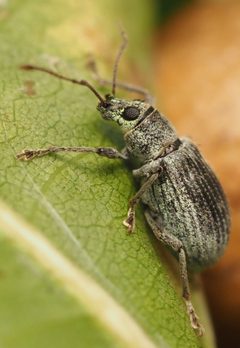
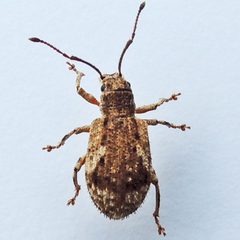
Cyphicerina

Cyphicerina

Classification

Pronunciation

How to pronounce Cyphicerina: /ˌsɪfɪˈkɛrɪnə/

These audio files are automatically generated. While they are not always 100% accurate, they are a good starting point.

Images

Summary

Pseudoedophrys is a genus of broad-nosed weevils containing the single described species P. hilleri, which can be found in regions of eastern North America after originating from Japan.

Physical Characteristics

Broad-nosed weevil with characteristic body shape.

Identification Tips

Look for the broad snout and unique coloration typical of the genus.

Habitat

Prefers wooded areas and regions with abundant vegetation.

Distribution

Originally from Japan, now found in eastern North America.

Diet

Primarily feeds on plant materials, particularly leaves and stems.

Life Cycle

Undergoes complete metamorphosis with egg, larva, pupa, and adult stages.

Reproduction

Reproduces sexually; females lay eggs on suitable plant materials.

Predators

Birds and other insects may prey on adults and larvae.

Ecosystem Role

Plays a role in plant health through herbivory and possibly in the food web.

Collecting Methods

  • Light trapping
  • Hand collecting on host plants

Preservation Methods

  • Pinned specimens
  • Ethanol for larvae
  • Mounting for adults

Evolution

Transferred from the genus Oedophrys to Pseudoedophrys in 2006, reflecting phylogenetic studies.

Similar Taxa

  • Oedophrys
  • Other broad-nosed weevils

Tags

  • beetle
  • weevil
  • Curculionidae
  • entomology
  • Cyphicerina