
Calomycterus
Roelofs, 1873
oriental broad-nosed weevils
Species Guides
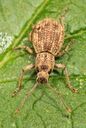
1- Calomycterus setarius(Imported Long-horned Weevil)
Calomycterus is a of weevils in the Curculionidae, established by Roelofs in 1873. The genus comprises approximately 11 described distributed across parts of Asia and Africa. Members are classified within the Entiminae, tribe Cyphicerini, subtribe Acanthotrachelina. One species, Calomycterus setarius, has been introduced to North America where it is known as the imported long-horned weevil.
Pronunciation
How to pronounce Calomycterus: //kæloʊˈmɪktərəs//
These audio files are automatically generated. While they are not always 100% accurate, they are a good starting point.
Identification
As a of broad-nosed weevils (Entiminae), Calomycterus possess the characteristic short, broad rostrum typical of the . The subtribe Acanthotrachelina placement suggests association with spiny-necked weevil characteristics, though specific diagnostic features for the genus require examination of genitalia and other minute morphological details. Species-level identification relies on subtle differences in body proportions, punctation patterns, and rostral structure.
Images
Distribution
Native range includes China, India, and unspecified regions of Africa based on GBIF distribution records. The has been introduced to North America through Calomycterus setarius, which has established outside its native range.
Human Relevance
Calomycterus setarius, the imported long-horned weevil, has been introduced to North America and is of potential economic concern as a non-native . The remaining species appear to have limited documented interaction with human activities.
Similar Taxa
- Other Entiminae generaBroad-nosed weevils share the short, broad rostrum that distinguishes them from other Curculionidae ; Calomycterus is distinguished by subtribe-level characteristics within Cyphicerini.
More Details
Taxonomic authority
established by Edmond Jean-Baptiste Paulus Roelofs in 1873, a Dutch entomologist specializing in Coleoptera.
Species diversity
Eleven are currently recognized, with most described in the late 19th and early 20th centuries by authors including Faust, Marshall, Voss, and Roelofs.