Phyllotrox
Schönherr, 1843
Species Guides
7Phyllotrox is a of true weevils ( Curculionidae) containing at least 60 described . The genus was established by Schönherr in 1843. Members are small beetles characterized by the elongated snout typical of weevils. The genus has been documented in 229 iNaturalist observations, indicating moderate but growing observational data.
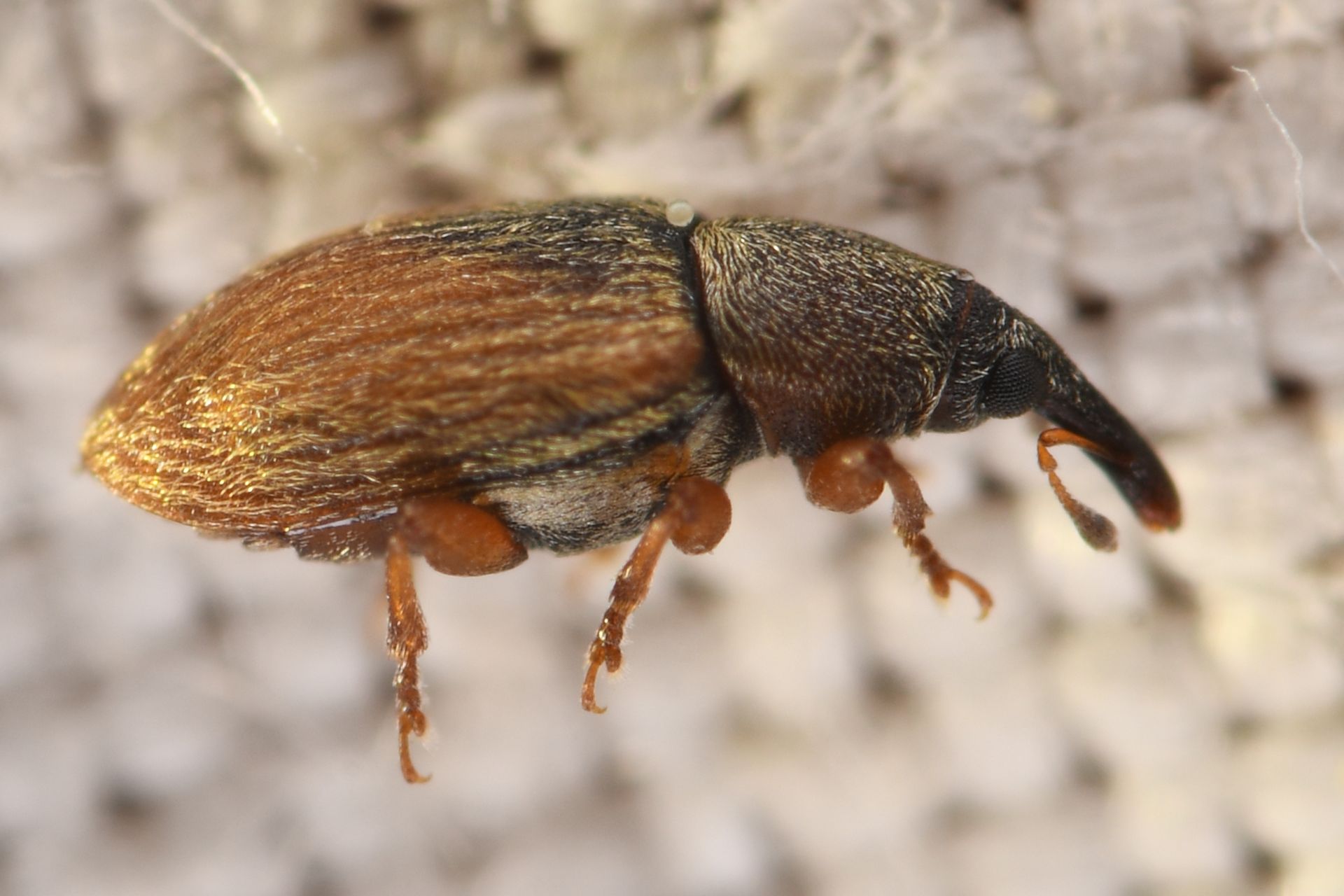
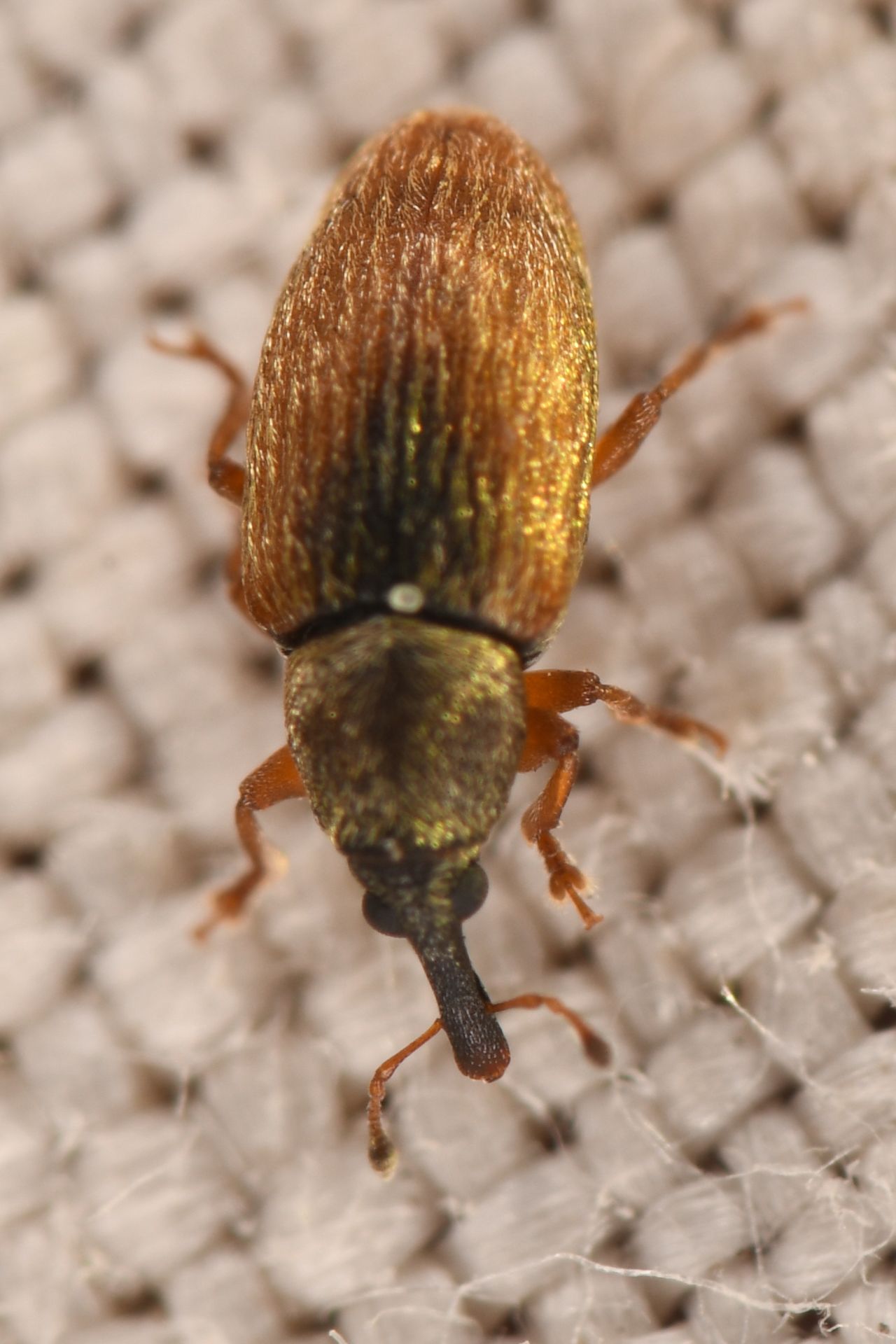
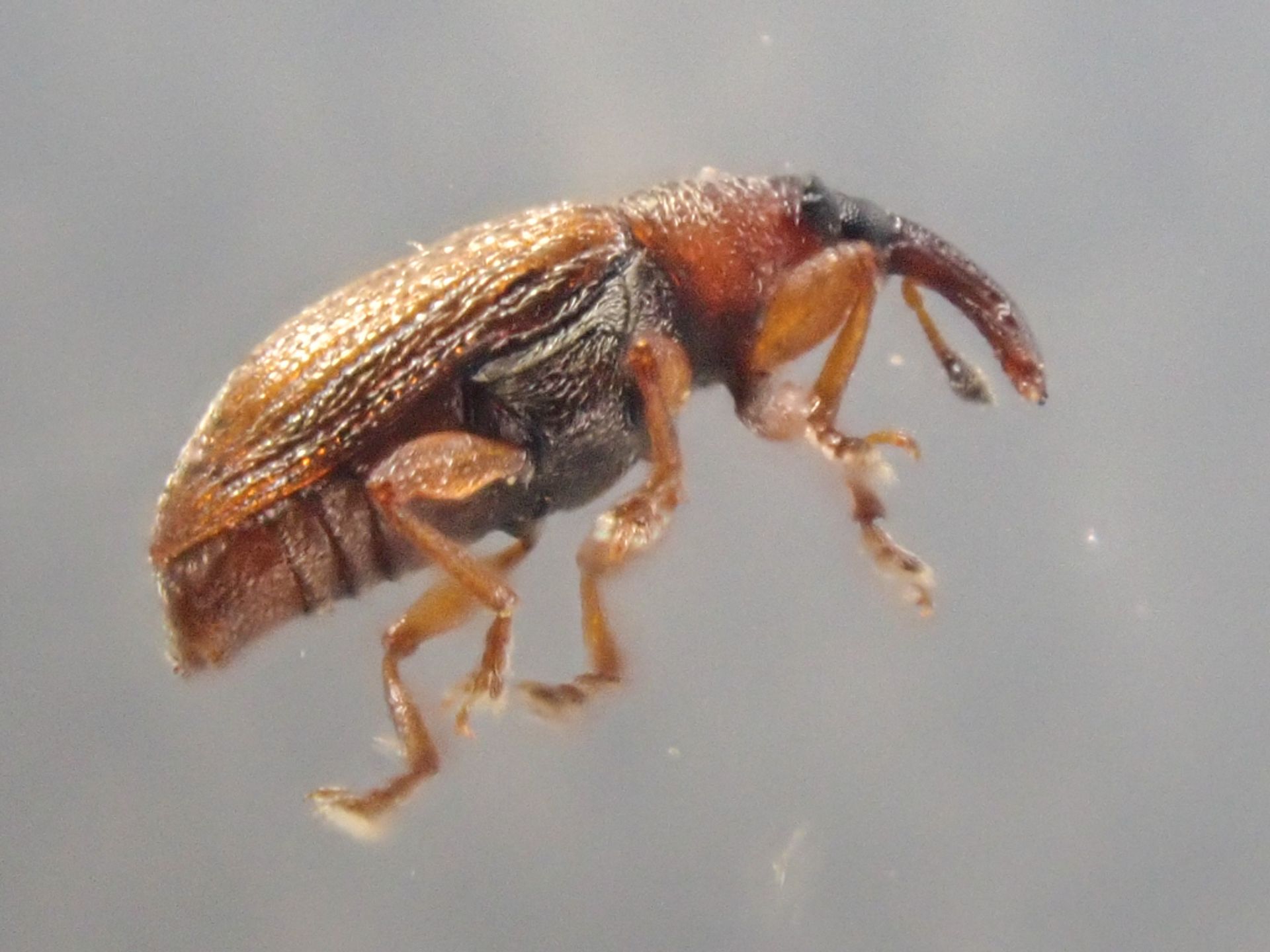
Pronunciation
How to pronounce Phyllotrox: /fɪˈlɒtrɒks/
These audio files are automatically generated. While they are not always 100% accurate, they are a good starting point.
Identification
Distinguished from other weevil by a combination of rostral (snout) structure and antennal insertion points, though specific diagnostic characters require examination. As with many weevil genera, identification to level generally requires dissection and comparison with .
Images
Distribution
The has been documented across multiple regions based on iNaturalist observations, though precise geographic limits remain incompletely characterized. Individual distributions vary.
Similar Taxa
- Other Curculionidae generaMany small weevil share the general body plan of Phyllotrox; accurate separation requires examination of genitalia and other subtle morphological characters.
More Details
Taxonomic history
The was described by Carl Johan Schönherr in 1843, a prolific Swedish entomologist who described numerous weevil . The large number of (60+) suggests either genuine diversity or potential future taxonomic revision as phylogenetic studies progress.
Research needs
Basic biological information—including plants, larval development sites, and detailed —appears largely unreported in accessible literature for most in this .