Notolomus
LeConte, 1876
Species Guides
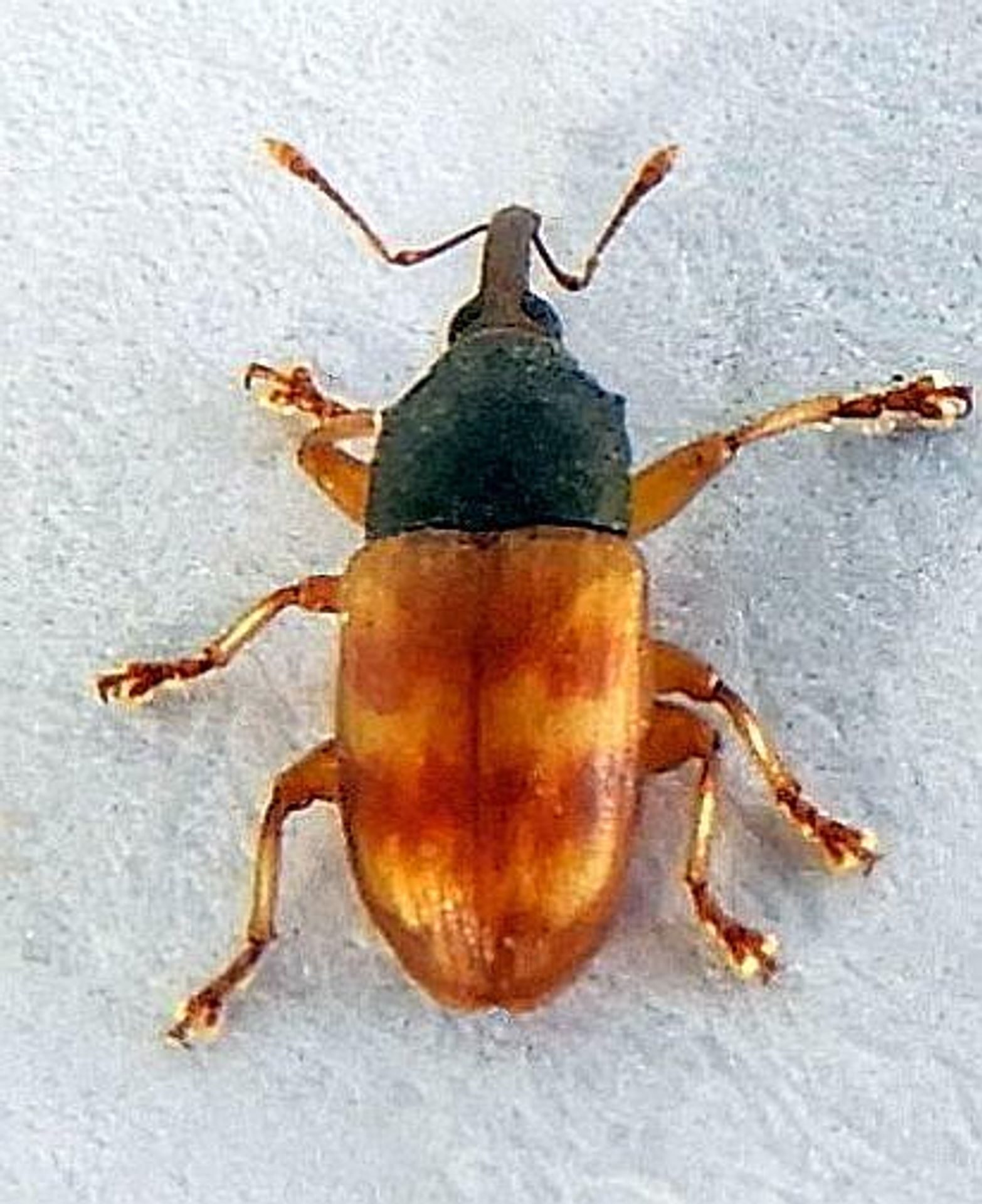
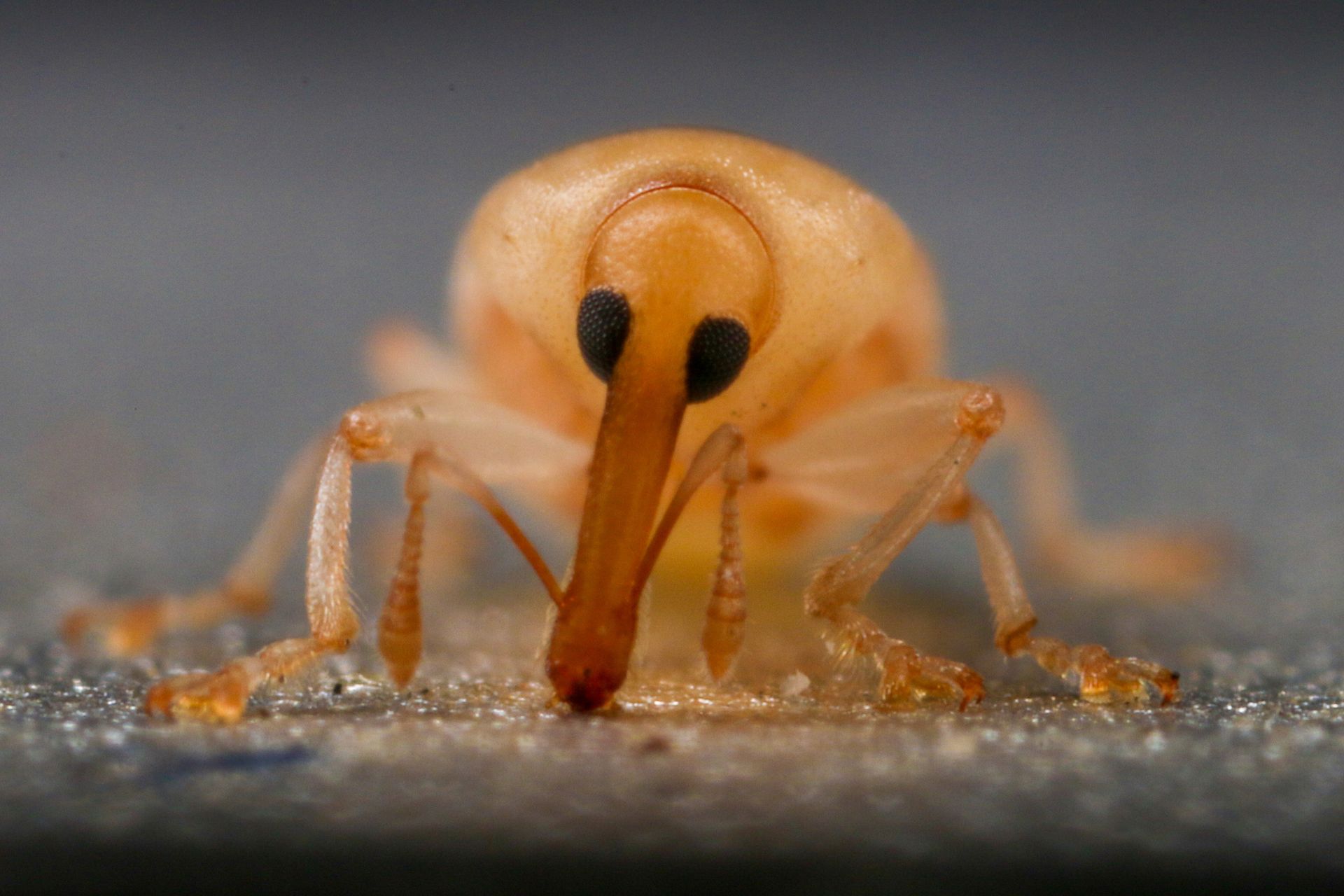
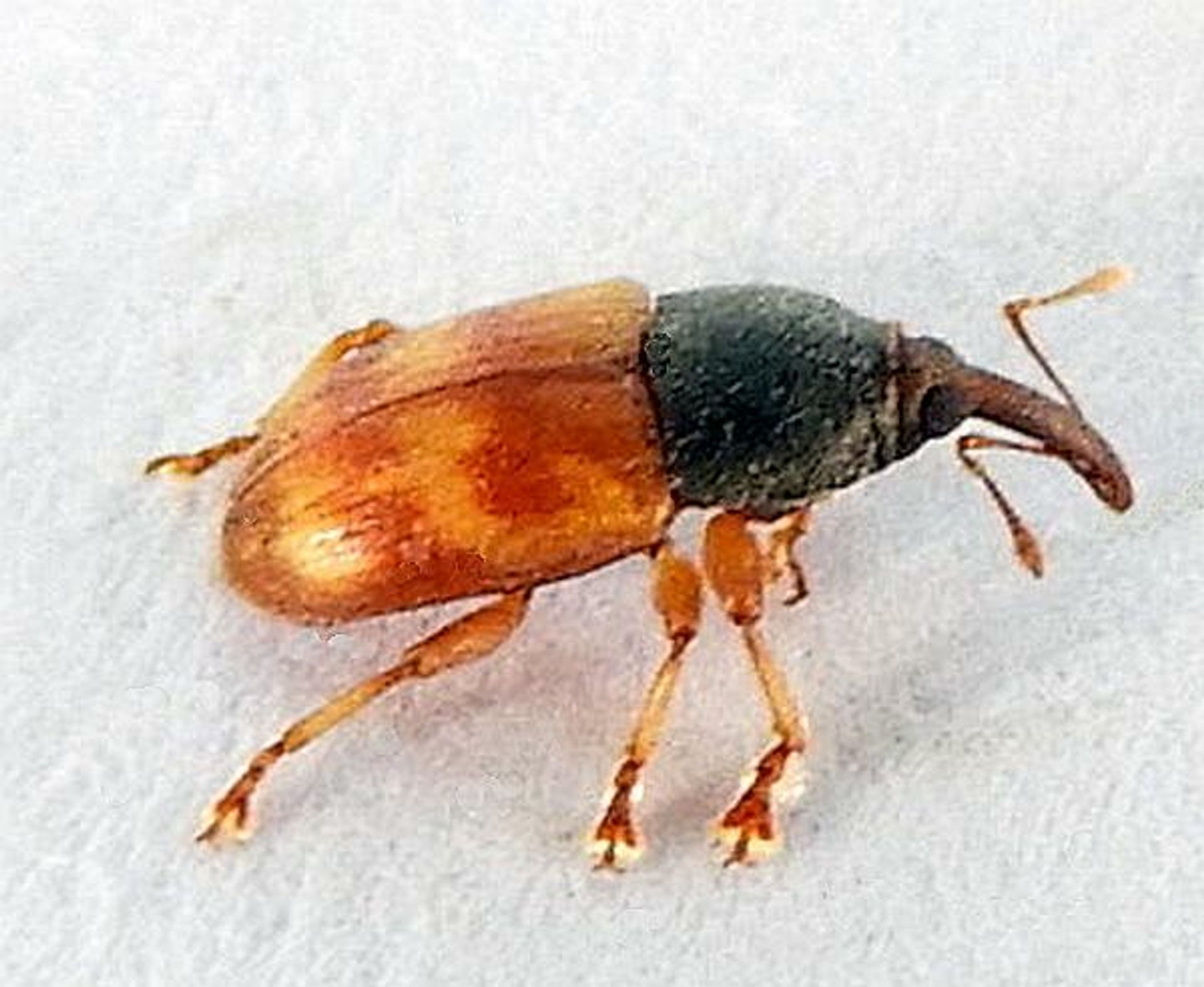
2Notolomus is a of true weevils (Curculionidae) established by LeConte in 1876. The genus contains at least two described : Notolomus basalis and Notolomus bicolor, both described by LeConte in the same year. As a member of the largest , Notolomus exhibits the characteristic rostrum (elongated snout) typical of weevils. The genus has been documented through 317 observations on iNaturalist, indicating moderate field recognition.
Pronunciation
How to pronounce Notolomus: /nɒˈtoləməs/
These audio files are automatically generated. While they are not always 100% accurate, they are a good starting point.
Identification
Notolomus can be distinguished from other weevil by the combination of features established in LeConte's 1876 descriptions. The two included , N. basalis and N. bicolor, are differentiated by coloration patterns as suggested by their specific epithets. Accurate identification to species level requires examination of and original descriptions.
Images
Similar Taxa
- CleonidiusThe Cleonidius notolomus (Anderson, 1987) has been provisionally accepted in some databases, potentially creating confusion with the Notolomus; however, this appears to be a separate taxonomic entity rather than a synonym.
More Details
Taxonomic Stability
Notolomus LeConte, 1876 is accepted as a valid in major taxonomic databases including GBIF and NCBI. The genus has remained stable with two since its original description, though detailed modern revisions may be limited.
Observation Record
The has accumulated 317 observations on iNaturalist, suggesting it is moderately encountered by naturalists, though specific identification challenges may affect reporting .