Curculio nasicus
(Say, 1832)
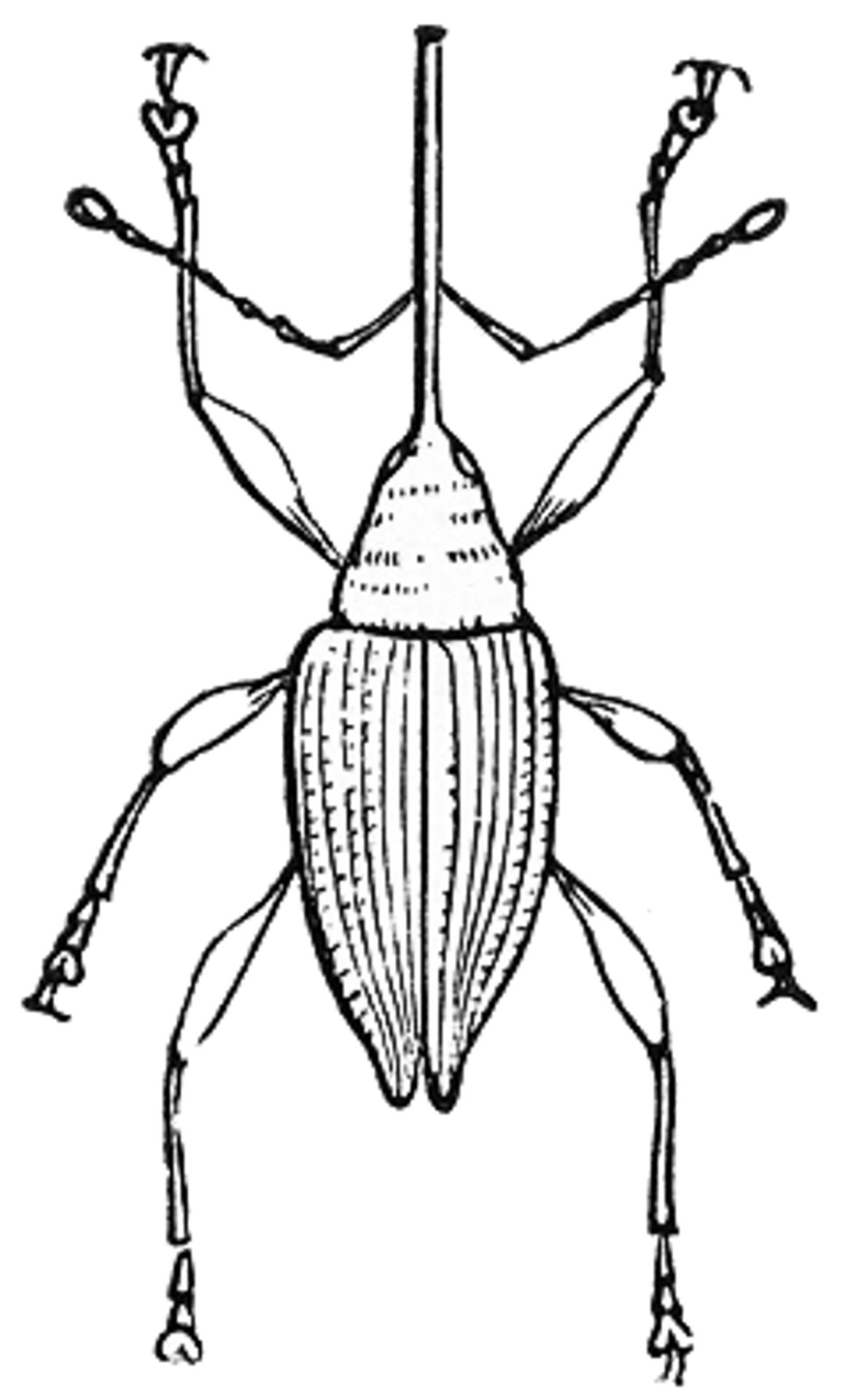
Curculio nasicus is a of true weevil in the Curculionidae, found in North America. The species was described by Thomas Say in 1832. It is currently treated as a synonym of Curculio proboscideus in major taxonomic databases, indicating taxonomic uncertainty or consolidation with a broader species concept. Like other members of the Curculio, it likely exhibits the characteristic elongated rostrum and association with nut-bearing trees, though specific ecological details for this nominal remain poorly documented.
Pronunciation
How to pronounce Curculio nasicus: //kʊrˈkuːli.oʊ ˈneɪsɪkəs//
These audio files are automatically generated. While they are not always 100% accurate, they are a good starting point.
Images
Distribution
North America; recorded from Ontario and Québec, Canada. Distribution records are sparse and may reflect historical taxonomic concepts rather than current boundaries.
Similar Taxa
- Curculio proboscideusCurrently considered the valid name for this ; C. nasicus is listed as a synonym in Catalogue of Life and GBIF
- Curculio glandiumAnother North American acorn weevil in the same with similar and , though C. glandium is a well-documented valid
- Curculio obtususEastern North American hazelnut weevil in the same , sharing the elongated rostrum characteristic of Curculio
More Details
Taxonomic Status
Curculio nasicus is currently listed as an ambiguous synonym of Curculio proboscideus in the Catalogue of Life and as a synonym in GBIF. This status indicates that the name may represent a distinct taxonomic entity that has been subsumed under a broader concept, or that type material requires re-examination to resolve its status.
Data Deficiency
The is represented by only 15 observations in iNaturalist and lacks dedicated ecological or biological studies. Most information about 'Curculio nasicus' in literature may actually refer to C. proboscideus or reflect outdated .
Sources and further reading
- BugGuide
- Wikipedia
- GBIF taxonomy match
- iNaturalist taxon
- NCBI Taxonomy
- Catalogue of Life
- Clover Root Curculio: Historic Perspectives Guide Modern Management
- Plum Curculio: New Guide Gathers IPM Recommendations for North American Fruit Pest
- A mast year brings a bountiful harvest to acorn weevils, Curculio glandium — Bug of the Week
- Curculionidae | Beetles In The Bush | Page 3
- Curculionoidea | Blog
- Saving Nutella: New Guide Details IPM for Weevil Pests in Hazelnut