
Acamptus
LeConte, J.L., 1876
Species Guides
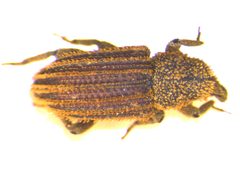
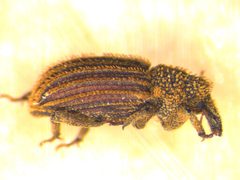
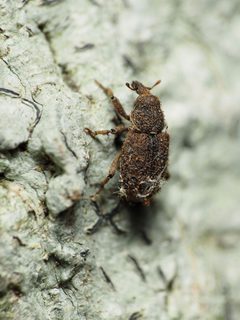
3Acamptus is a of true weevils (Curculionidae) established by LeConte in 1876. The genus contains approximately nine described , with members distributed in North and Central America. Species have been described from the late 19th century through 2015, including one species described from Dominican amber (A. exilipes). The genus is poorly represented in biological collections, with limited observational records.
Pronunciation
How to pronounce Acamptus: //əˈkæmptəs//
These audio files are automatically generated. While they are not always 100% accurate, they are a good starting point.
Images
Distribution
North America and Central America. Distribution records include Colombia (CO). Individual occur in the United States (Texas, southwestern regions), Mexico, and the Dominican Republic (fossil record).
More Details
Species Diversity
Nine described : A. cancellatus, A. echinus, A. exilipes (fossil, Dominican amber), A. interstitialis, A. orthodoxus, A. plurisetosus, A. rigidus (type species), A. texanus, and A. verrucosus. The has received limited taxonomic attention since Zimmerman's 1974 revision.
Nomenclatural History
Authorship is properly attributed to LeConte, 1876, with A. rigidus designated as the type . Some species were transferred from other ; A. texanus was originally described in the genus Peracalles.