
Craponius
LeConte, 1876
minute seed weevils
Species Guides
1- Craponius inaequalis(Grape Curculio)
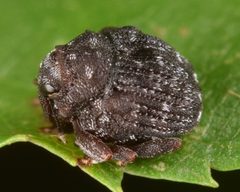
Craponius is a of minute seed weevils in the Curculionidae, established by John Lawrence LeConte in 1876. The genus contains at least three described , including Craponius inaequalis, commonly known as the grape curculio, which is a recognized agricultural pest. Members of this genus are small weevils associated with seeds of various plants.
Pronunciation
How to pronounce Craponius: //krəˈpoʊ.ni.əs//
These audio files are automatically generated. While they are not always 100% accurate, they are a good starting point.
Identification
Small, compact weevils with the characteristic elongated rostrum (snout) typical of Curculionidae. Minute seed weevils in this are distinguished by their small body size and association with seeds. Specific diagnostic features for genus-level identification require examination of genitalia and other minute morphological characters; -level identification is challenging without knowledge.
Images
Diet
Seed-feeding; larvae develop within seeds of plants. Craponius inaequalis has been documented feeding on grape (Vitis spp.), with larvae developing inside grape seeds.
Host Associations
- Vitis - larval food sourceGrape curculio (C. inaequalis)
Life Cycle
Complete with , larva, pupa, and stages. Larvae develop inside seeds, feeding on the seed contents. Adults emerge from seeds after larval development is complete.
Ecological Role
Seed ; reduces seed viability of plants through larval feeding.
Human Relevance
Craponius inaequalis (grape curculio) is an agricultural pest of grapes, causing damage by larval feeding within developing seeds. This can reduce fruit quality and yield in vineyards.
Similar Taxa
- AnthonomusBoth are seed-feeding weevils in Curculionidae; Anthonomus contains the boll weevil and other economically important . Craponius is distinguished by smaller size and more specialized seed-feeding habits.
- SmicronyxAnother of minute seed weevils; morphological differences in rostrum and body proportions require microscopic examination for separation.
More Details
Taxonomic Note
The was established by LeConte in 1876. The specific epithet 'inaequalis' was originally described by Say in 1831 under a different genus before being transferred to Craponius.