
Madarini
Genus Guides
8- Ampeloglypter
- Glyptobaris
- Madarellus(flower weevils)
- Myctides
- Odontocorynus(flower weevils)
- Onychobaris
- Orchidophilus(orchid weevils)
- Stictobaris(flower weevils)
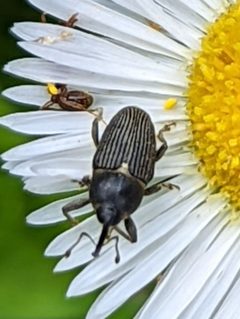
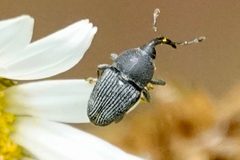
Madarini is a tribe of true weevils within the Baridinae of the Curculionidae. Members are small to medium-sized beetles characterized by the elongated rostrum typical of weevils. The tribe contains multiple and is represented by over 9,000 observations on iNaturalist, indicating broad geographic distribution. As with other Baridinae, are associated with various plant .

Pronunciation
How to pronounce Madarini: //məˈdɑrɪnaɪ//
These audio files are automatically generated. While they are not always 100% accurate, they are a good starting point.
Identification
Madarini can be distinguished from other Baridinae tribes by subtle characters of the rostrum, insertion, and body proportions. Definitive identification to tribe level requires examination of genitalia and other microscopic features. They share the general weevil body plan with an elongated snout, elbowed antennae, and compact body, but differ from related tribes such as Baridini in details of the scutellum and elytral .
Images
Distribution
Members of Madarini have been documented across multiple continents based on iNaturalist observations. Specific range boundaries for the tribe as a whole are not well documented in available sources.
Ecological Role
As herbivorous weevils, members of Madarini likely function as primary consumers in their , feeding on plant tissues and potentially serving as prey for other organisms.
Similar Taxa
More Details
Taxonomic Note
Madarini is one of several tribes within Baridinae, a whose tribal classification has undergone revision. The precise boundaries and content of Madarini remain subjects of taxonomic study.