
Trepobaris
Casey, T.L., 1892
flower weevils
Species Guides
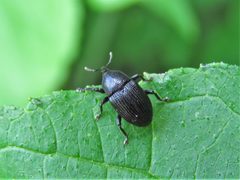
1- Trepobaris elongata(flower weevil)
Trepobaris is a of flower weevils in the Curculionidae, established by Thomas L. Casey in 1892. The genus contains four described : T. elongata, T. inornata, T. perlonga, and T. yucatana. These species were described from specimens collected in the late 19th and early 20th centuries. As members of Curculionidae, they possess the characteristic elongated snout (rostrum) typical of weevils. The genus appears to be poorly represented in modern collections, with minimal observational data available.
Pronunciation
How to pronounce Trepobaris: //trɛpoʊˈbɛərɪs//
These audio files are automatically generated. While they are not always 100% accurate, they are a good starting point.
Identification
The four described can be distinguished primarily by body proportions and subtle morphological differences. Trepobaris elongata and T. perlonga are characterized by their elongated body forms, as reflected in their specific epithets. T. inornata lacks distinctive markings, while T. yucatana is named for its Yucatán region type locality. Accurate identification to species level requires examination of and original descriptions, as modern diagnostic resources are limited.
Images
Distribution
The has been recorded from the southern United States and Mexico. Trepobaris yucatana is named for the Yucatán Peninsula, indicating a Mesoamerican distribution component. The specific localities for T. elongata, T. inornata, and T. perlonga require verification from original descriptions, but are presumed to be within the southwestern Nearctic or northern Neotropical regions based on the distribution patterns of related .
Ecological Role
As flower weevils, members of this likely function as floral visitors, potentially contributing to pollination or acting as minor floral herbivores. Their specific ecological impacts remain undocumented due to limited study.
Similar Taxa
- Other Curculionidae generaTrepobaris can be distinguished from other flower weevil by the combination of its elongated body form, rostral proportions, and specific antennal insertion characters as defined in Casey's original description. However, precise differentiating characters require reference to the original taxonomic literature.
More Details
Taxonomic history
The was established by Thomas L. Casey, a prolific American entomologist who described numerous North American in the late 19th century. Three of the four were described by Champion & G.C. in 1909, suggesting a period of active taxonomic exploration in the region during that era.
Data deficiency
With only one observation in iNaturalist and minimal modern literature references, this represents a data-deficient . The lack of recent collections may reflect genuine rarity, loss, or simply insufficient targeted survey effort in its presumed range.