
Geraeus
Pascoe, F.P., 1889
Species Guides
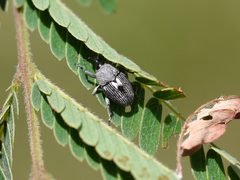
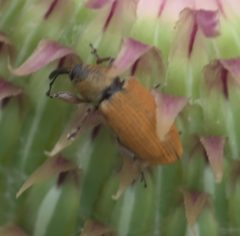
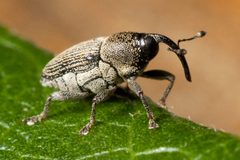
5Geraeus is a of true weevils in the Curculionidae, established by Francis Pascoe in 1889. The genus contains over 100 described , with G. dilectus, G. euryonyx, and G. picumnus among the more frequently referenced. Species in this genus are part of the diverse Curculionidae family, which is the largest family of beetles. The genus is documented across multiple taxonomic databases and has accumulated over 450 observations on iNaturalist, indicating moderate documentation effort.
Pronunciation
How to pronounce Geraeus: //dʒɛˈraɪəs//
These audio files are automatically generated. While they are not always 100% accurate, they are a good starting point.
Identification
Identification to the Geraeus requires examination of weevil-specific characters including rostrum (snout) structure, insertion points, and body proportions. Distinguishing Geraeus from other curculionid genera typically relies on subtle morphological features of the rostrum, elytral , and genitalia that are not readily summarized without knowledge. -level identification within the genus is challenging and generally requires detailed examination by a specialist in weevil .
Images
Distribution
The has been documented across multiple continents, with occurring in the Americas and other regions. Specific distribution patterns vary by species; precise range data for the genus as a whole is not comprehensively summarized in available sources.
Similar Taxa
- Other Curculionidae generaMany curculionid weevils share the characteristic elongated rostrum and elbowed . Geraeus is distinguished by specific rostrum proportions and antennal club structure, though these differences require careful morphological examination.
More Details
Taxonomic authority
The was established by Francis Polkinghorne Pascoe in 1889. Pascoe was a prominent 19th-century British entomologist who described numerous coleopteran , particularly from tropical regions.
Species diversity
With over 100 described , Geraeus represents a moderately diverse within the hyperdiverse Curculionidae. The actual species count may be higher due to undescribed , particularly in under-sampled tropical regions.