Buchananius
Kissinger, D.G., 1957
flower weevils
Species Guides
2Buchananius is a of flower weevils in the Curculionidae, established by D.G. Kissinger in 1957. The genus contains nine described , with most described by Kissinger in 1957 and two earlier species transferred from LeConte (1876). Species within this genus are small weevils associated with flowers.
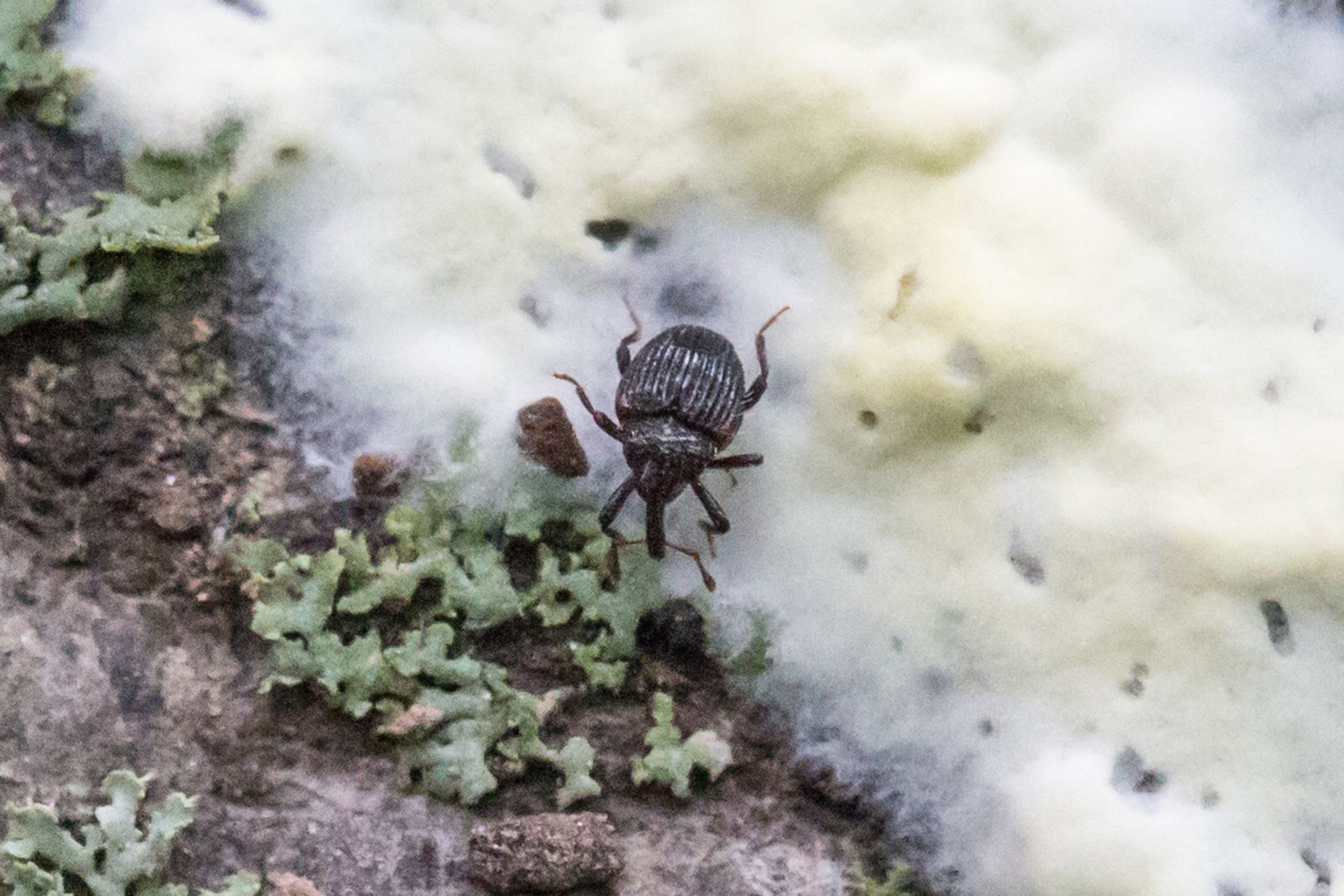
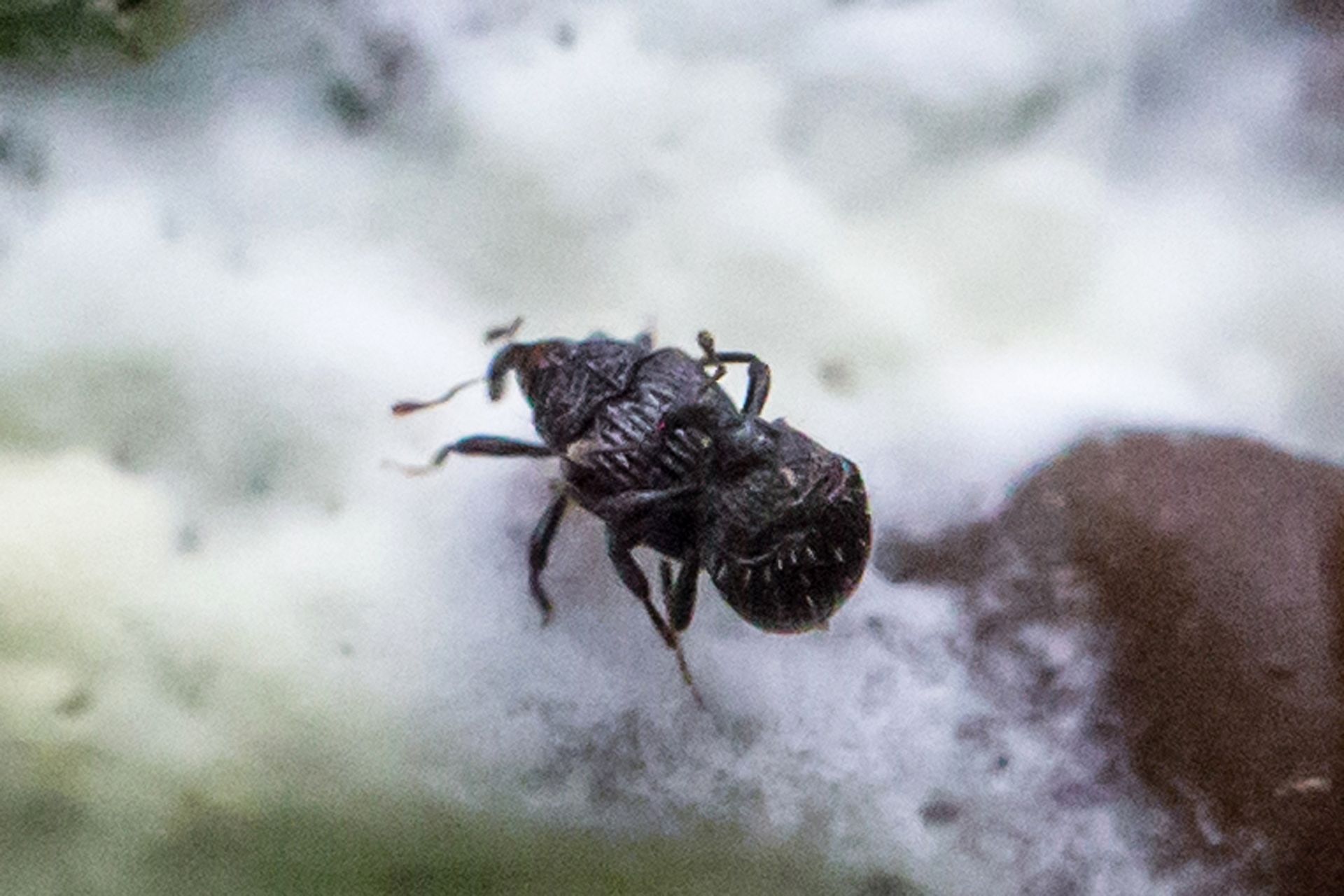
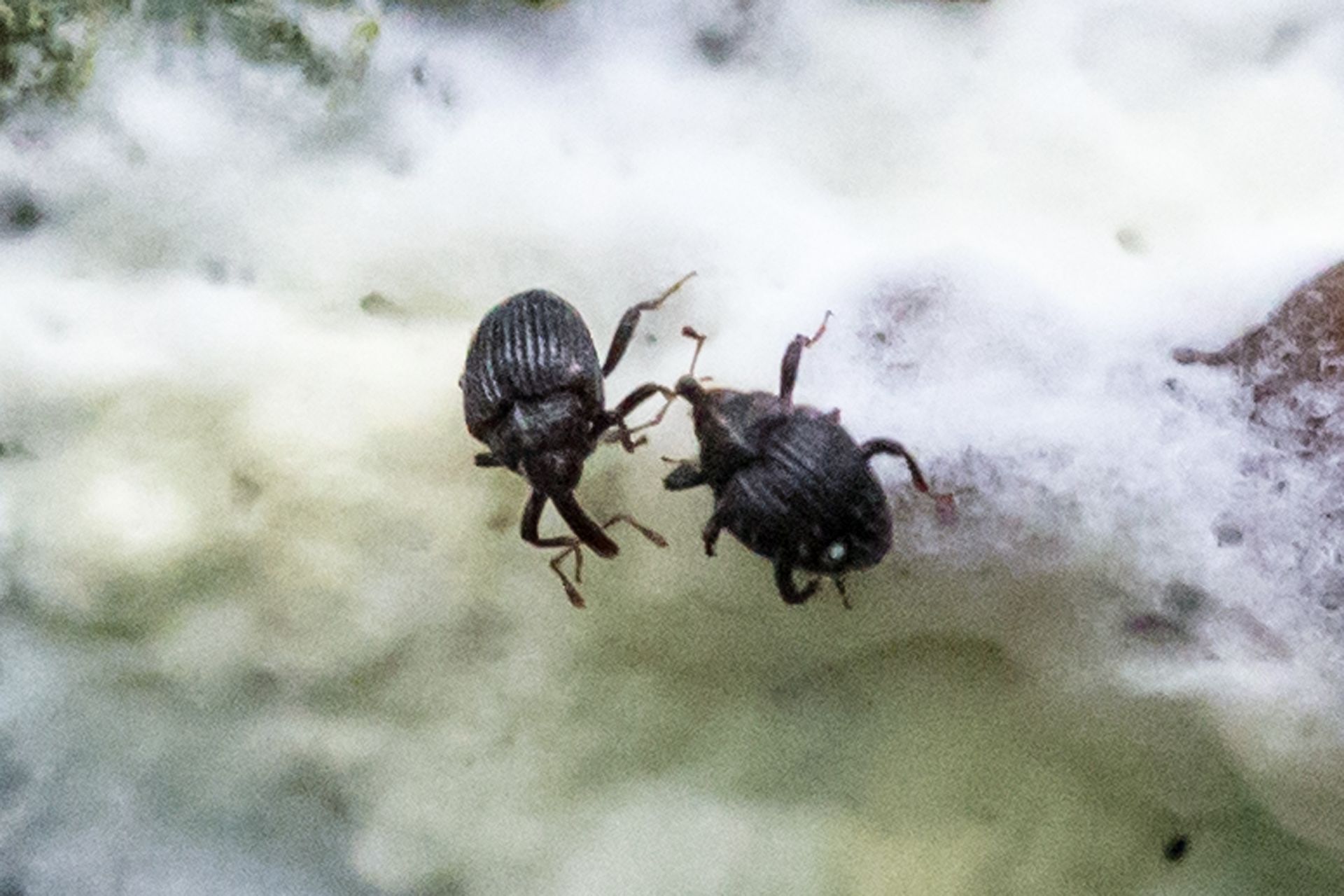
Pronunciation
How to pronounce Buchananius: /bʊˈkɑːnəniəs/
These audio files are automatically generated. While they are not always 100% accurate, they are a good starting point.
Identification
Buchananius are small flower weevils that can be distinguished from related by specific elytral sculpturing patterns; species names reference these features (carinifer = keeled, costatus = ribbed, striatus = striated, sulcatus = furrowed). The genus is characterized by Kissinger's 1957 revision, which separated these species from broader Curculionidae groupings. Detailed external distinguishing Buchananius from similar flower weevil genera requires examination of rostral and genitalic characters per Kissinger's original description.
Images
Distribution
described by LeConte (1876) suggest North American distribution; specific range data for the is limited in available sources.
Similar Taxa
- Other Curculionidae flower weevil generaBuchananius was revised from broader Curculionidae by Kissinger 1957; separation based on rostral proportions, elytral , and male genitalia structure
More Details
Taxonomic history
Kissinger's 1957 monograph 'The Buchananius in North America' established this genus, transferring two LeConte and describing seven new species. The genus name honors Buchanan, presumably an entomological contributor.