
Fallapion
Kissinger, 1968
Species Guides
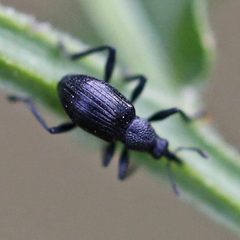
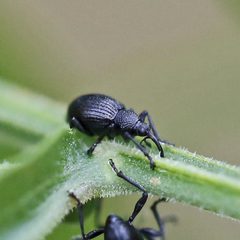
14Fallapion is a of minute seed weevils in the Brentidae ( Apioninae), established by Kissinger in 1968. Members of this genus are small beetles characterized by their elongated rostrum and compact body form typical of apionine weevils. The genus is taxonomically distinct from the broader Apion genus complex, with -level requiring detailed morphological examination. Observations of this genus are relatively sparse, with limited documented occurrences in natural history databases.
Pronunciation
How to pronounce Fallapion: /fæˈlæpiːɒn/
These audio files are automatically generated. While they are not always 100% accurate, they are a good starting point.
Identification
Fallapion are distinguished from related apionine by rostral and antennal characteristics established in Kissinger's 1968 revision. The genus can be separated from Apion sensu stricto by features of the rostral groove and scrobe placement. Species-level identification requires examination of male genitalia and detailed rostral proportions. The small size (likely under 5 mm based on norms) and slender rostrum are consistent with other minute brentid weevils.
Images
Distribution
Documented observations span multiple continents, including North America and Europe, though precise range boundaries remain undefined due to limited sampling. Specific country records are sparse in available databases.
Similar Taxa
- ApionHistorically broad from which Fallapion was segregated; shares general body plan but differs in rostral structure and antennal insertion details per Kissinger's revision.
- PseudapionAnother apionine with similar minute size and seed weevil ; distinguished by male genitalic and rostral groove .