
Eutrichapion viciae
(Paykull, 1800)
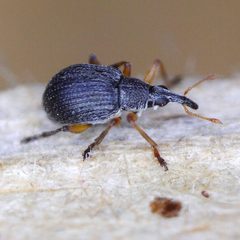
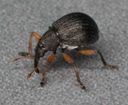
Eutrichapion viciae is a small pear-shaped weevil in the Brentidae. The was described by Paykull in 1800. It belongs to a of weevils characterized by their distinctive body form and elongated rostrum. The specific epithet 'viciae' suggests an association with Vicia (vetch) plants, though this relationship requires confirmation.
Pronunciation
How to pronounce Eutrichapion viciae: //juːˌtrɪkəˈpaɪən ˈvɪsi.aɪ//
These audio files are automatically generated. While they are not always 100% accurate, they are a good starting point.
Identification
Distinguished from other small weevils by its pear-shaped body and membership in Brentidae (formerly often placed in Apionidae, now treated as Apioninae within Brentidae). The Eutrichapion is separated from related genera by rostral and antennal characters, though specific diagnostic features for E. viciae versus are not detailed in available sources. Examination of genitalia may be required for definitive identification.
Images
Appearance
Small, pear-shaped weevil with an elongated, slender rostrum (snout) characteristic of the Brentidae. Body form is compact and rounded posteriorly, tapering toward the . are elbowed and arise from the rostrum. Typical coloration and exact measurements are not well documented in available sources.
Distribution
Holarctic distribution. Documented presence in Canada: Alberta (CA-AB), British Columbia (CA-BC), Northwest Territories (CA-NT), and Yukon (CA-YT). Full range extends across northern regions of North America and Eurasia.
Similar Taxa
- Other Eutrichapion species share the pear-shaped body form and elongated rostrum; require detailed examination of rostral proportions, antennal insertion points, and genitalia for separation.
- Apioninae weevils in other generaSimilar small size and body plan; distinguished by rostral structure, antennal club shape, and other subtle morphological characters.