
Pterocolinae
thief weevils
Genus Guides
1- Pterocolus(thief weevils)
Pterocolinae is a of weevils commonly known as thief weevils. Members of this group are kleptoparasites that exploit the nest-building of other insects, particularly leaf-rolling weevils. The best-documented , Pterocolus ovatus, occurs in Florida where it parasitizes the nests of Homoeolabus analis. These weevils have minimal impact on their plants and are primarily of ecological interest due to their parasitic life strategy.
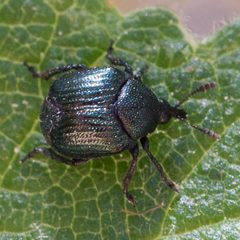
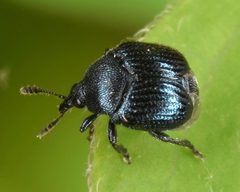
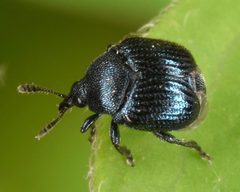
Pronunciation
How to pronounce Pterocolinae: //ˌtɛrəkoʊˈlaɪni//
These audio files are automatically generated. While they are not always 100% accurate, they are a good starting point.
Identification
Thief weevils are distinguished from other attelabid weevils by their kleptoparasitic lifestyle rather than primary nest-building . Specific morphological characters separating Pterocolinae from other Attelabidae are not documented in available sources.
Images
Distribution
Florida, USA (documented for Pterocolus ovatus). The 's broader distribution is not specified in available sources.
Host Associations
- Homoeolabus analis - kleptoparasitePterocolus ovatus exploits the leaf-roll nests constructed by this leaf-rolling weevil
Behavior
Kleptoparasitic: Pterocolus ovatus has been observed exploiting the nest-building of Homoeolabus analis rather than constructing its own leaf rolls.
Ecological Role
Minimal impact on plants; functions as a kleptoparasite in leaf-rolling weevil .
Human Relevance
No significant economic or agricultural impact; not a target of management efforts.
Similar Taxa
- Attelabinae (leaf-rolling weevils)Pterocolinae are kleptoparasites of Attelabinae, but differ in not constructing their own leaf rolls. Both belong to Attelabidae.
More Details
Taxonomic Note
The source document lists Pterocolinae under Rhynchitidae, but iNaturalist and current classifications place it in Attelabidae. This discrepancy may reflect historical or regional taxonomic treatments.