
Meligethes
Stephens, 1829
pollen beetles
Species Guides
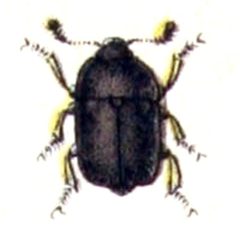
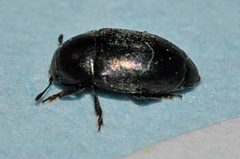
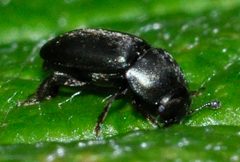
1Meligethes is a of pollen beetles in the Nitidulidae, containing over 80 described . The genus is primarily distributed across the Palearctic region, with some species extending into the Oriental region and North America. Many species are associated with flowers of Rosaceae, particularly genera such as Rosa, Rubus, Prunus, and Crataegus. Some species, notably Meligethes aeneus, are significant agricultural pests of oilseed rape (Brassica napus) and other brassica crops. The genus has been subject to taxonomic revision, with numerous new species described from China and adjacent regions.
Pronunciation
How to pronounce Meligethes: /mɛlɪˈɡiːθiːz/
These audio files are automatically generated. While they are not always 100% accurate, they are a good starting point.
Images
Habitat
in this are primarily associated with flowering plants. Available evidence indicates larval associations with flowers of Rosaceae, particularly members of the genera Rosa, Rubus, Prunus, and Crataegus. Meligethes aeneus has been documented on cultivated brassicas including oilseed rape (Brassica napus var. napus) and Sinapis alba.
Distribution
The is distributed across the Palearctic region, with concentration in Europe and extending into Asia. Meligethes aeneus specifically occurs across Europe from the UK and Scandinavia to the Mediterranean, east through Russia to Central Asia and Mongolia, and has been introduced to North America (Canada and the western United States). Multiple new have been described from central and southwestern China (Sichuan, Shaanxi, Shanxi, Yunnan, Henan, Hubei, Chongqing, Xizang) and Nepal.
Host Associations
- Rosaceae - larval probably all associated as larvae with flowers; chiefly Rosa, Rubus, Prunus, and Crataegus
- Brassica napus var. napus (oilseed rape) - feeding and ovipositionMeligethes aeneus; major agricultural pest
- Sinapis alba - Meligethes aeneus
- Crataegus sp. - Meligethes flavimanus documented near Siena, Italy
Behavior
application has been observed to make crops more attractive to pollen beetles seeking feeding and oviposition resources, potentially promoting increases in subsequent years. Meligethes aeneus has been documented adjusting production rate in response to quality.
Human Relevance
Meligethes aeneus is a significant agricultural pest of oilseed rape and other brassica crops, causing yield losses through feeding on pollen and oviposition in flower buds. The has been extensively studied in relation to efficacy and . Neonicotinoid have been widely used against this pest, though evidence for consistent yield benefits is disputed. The serves as a for microsporidian including Nosema meligethi.
Sources and further reading
- BugGuide
- Wikipedia
- GBIF taxonomy match
- iNaturalist taxon
- NCBI Taxonomy
- Catalogue of Life
- Meligethes aeneus pollen beetles - Entomology Today
- Learning the Insect Lingo While Working Abroad
- The Drugs (Neonicotinoids) Don’t Work 2 - Buglife Blog - Buglife
- Biology of Meligethes seminulum Lec.
- The Sperm Ultrastructure of the Nitidulidae Meligethes flavimanus (Stephens, 1830) and of the Phalacridae Olibrus affinis (Sturm. 1807) (Coleoptera Cucujoidea)
- Meligethes aeneus . [Distribution map].
- Revision of the pollen beetle genus Meligethes (Coleoptera: Nitidulidae)
- The pollen beetle, Meligethes aeneus, changes egg production rate to match host quality
- Distribution of Nosema meligethi (Microsporida) in populations of Meligethes aeneus (Coleoptera: Nitidulidae) in Turkey