
Amphicrossinae
Kirejtshuk, 1986
Genus Guides
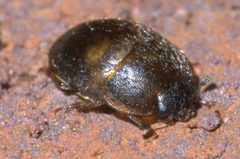
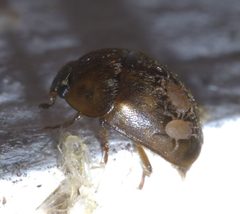
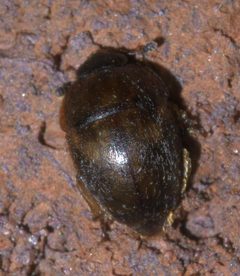
1Amphicrossinae is a of sap-feeding beetles within Nitidulidae, represented by a single Amphicrossus Erichson, 1843. The subfamily contains approximately nine described with a distribution spanning all major zoogeographical realms. Historical biogeographic analysis indicates an African origin in the Lower Tertiary, followed by multiple events across continents driven by plate tectonics, sea level changes, and climate fluctuations.
Pronunciation
How to pronounce Amphicrossinae: /ˌæmfɪˈkrɒsɪniː/
These audio files are automatically generated. While they are not always 100% accurate, they are a good starting point.
Identification
Amphicrossinae is distinguished from other Nitidulidae by its status—containing only the Amphicrossus. Members of this subfamily can be recognized as sap-feeding beetles within Nitidulidae, though specific diagnostic morphological features distinguishing Amphicrossinae from related subfamilies are not documented in available sources.
Images
Distribution
distribution across all major zoogeographical realms: Africa (center of origin), sub-Himalayan region, Southeast Asia, Europe, North America, and South America. The 's current range reflects complex historical patterns from African origins through multiple events during the Miocene, Pliocene, and Pleistocene.
Diet
Sap-feeding (based on -level characterization of Nitidulidae).
Similar Taxa
- Other Nitidulidae subfamiliesAmphicrossinae differs from other Nitidulidae in containing only a single (Amphicrossus), whereas other subfamilies typically contain multiple genera. Specific morphological distinctions require further taxonomic study.
More Details
Historical Biogeography
The Amphicrossus lineage likely evolved in Africa during the Lower Tertiary. Two major routes occurred: (1) eastward to sub-Himalayan terrain during the Miocene, followed by Southeast Asian diversification and further eastward expansion in the Pliocene-Pleistocene; and (2) a separate lineage entering Europe and invading North America during the Miocene-Pliocene transition, with subsequent southward movement into South America.
Taxonomic Note
The was established by Kirejtshuk in 1986 and remains , with all diversity contained within the Amphicrossus Erichson, 1843.