
Fuchsina occulta
Fall, 1899
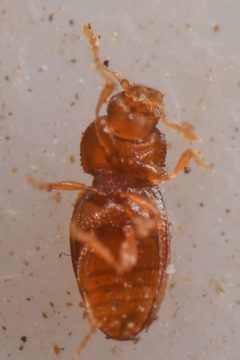
Fuchsina occulta is a minute beetle in the Latridiidae, commonly known as plaster beetles or minute brown scavenger beetles. The was described by Henry Clinton Fall in 1899. Like other members of its family, it is extremely small and associated with damp, moldy environments. The Fuchsina contains few described species and is poorly known biologically.

Pronunciation
How to pronounce Fuchsina occulta: /ˈfʊk.si.na ɒkˈkʊl.ta/
These audio files are automatically generated. While they are not always 100% accurate, they are a good starting point.
Identification
Identification to level requires examination of microscopic characters including male genitalia and precise antennal club structure. Separation from other Fuchsina species and from the similar Latridius depends on subtle differences in pronotal and elytral punctation, antennal segmentation, and aedeagal . Specimens should be compared with type material or authoritative keys.
Images
Habitat
Presumed to inhabit damp, moldy environments based on . Latridiidae are strongly associated with fungi, particularly in situations with high humidity such as decaying vegetation, stored products with mold growth, and wet structural materials.
Distribution
Original description based on North American material; precise type locality requires verification. The few iNaturalist observations suggest occurrence in the United States, but comprehensive distributional data are lacking.
Similar Taxa
- Latridius spp.Extremely similar in general appearance; distinguished by antennal structure and male genitalia.
- Other Fuchsina speciesRequire detailed examination of punctation patterns and genitalic characters for separation.
More Details
Taxonomic note
The Fuchsina was established by Reitter in 1882 and contains relatively few described . The Latridiidae has undergone significant taxonomic revision, and generic boundaries remain problematic for some groups.
Data deficiency
With only 8 iNaturalist observations and minimal published biological information, this exemplifies the many poorly known species that await focused study. Basic data on specificity, geographic range, and seasonal activity are unavailable.