Corticaria
Marsham, 1802
Species Guides
9- Corticaria dentiventris
- Corticaria elongata(minute brown scavenger beetle)
- Corticaria ferruginea(Rusty Spider Beetle)
- Corticaria impressa(minute brown scavenger beetle)
- Corticaria pubescens
- Corticaria rubripes
- Corticaria saginata
- Corticaria serrata(Serrated Minute Scavenger Beetle)
- Corticaria varicolor
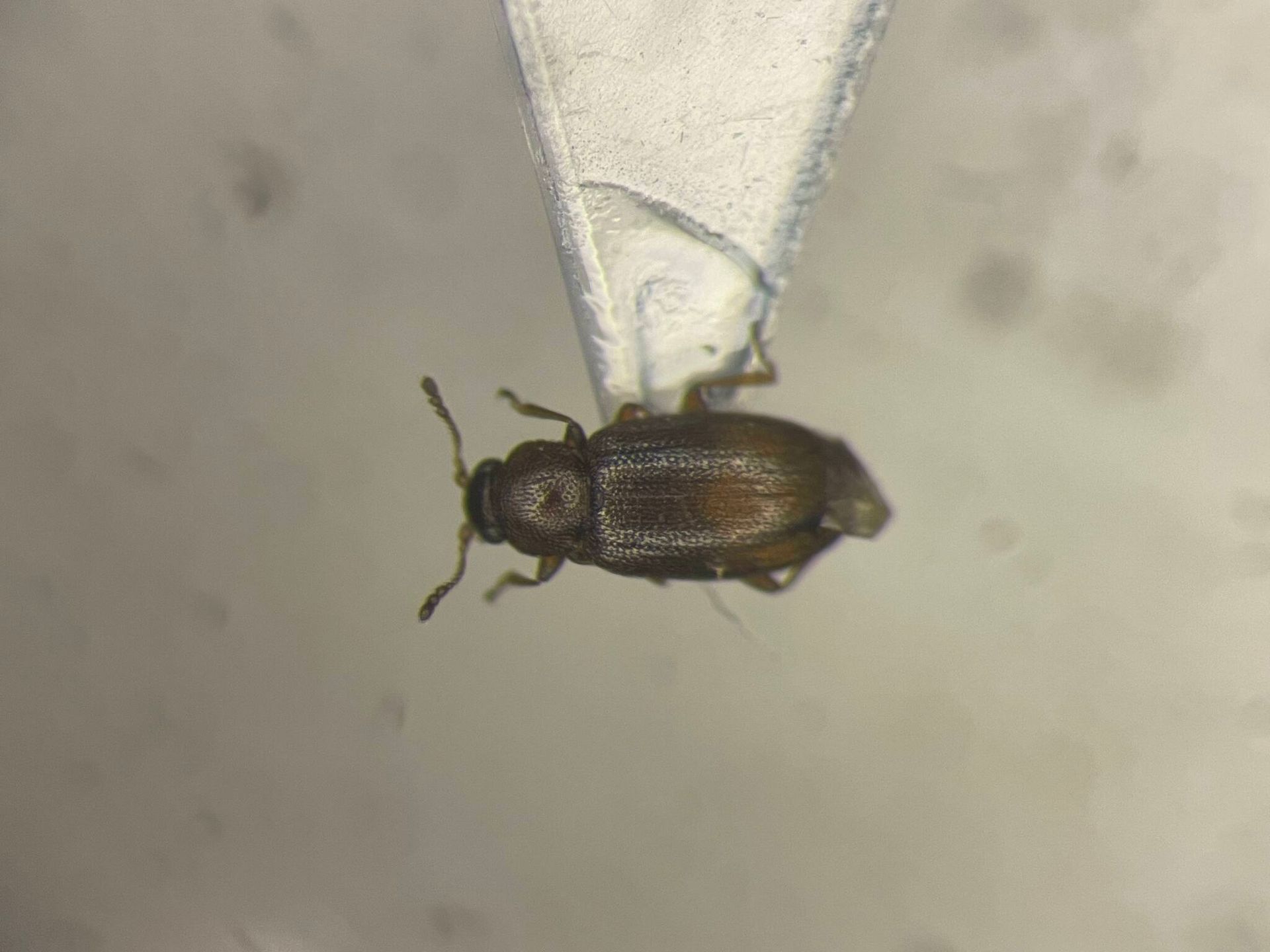
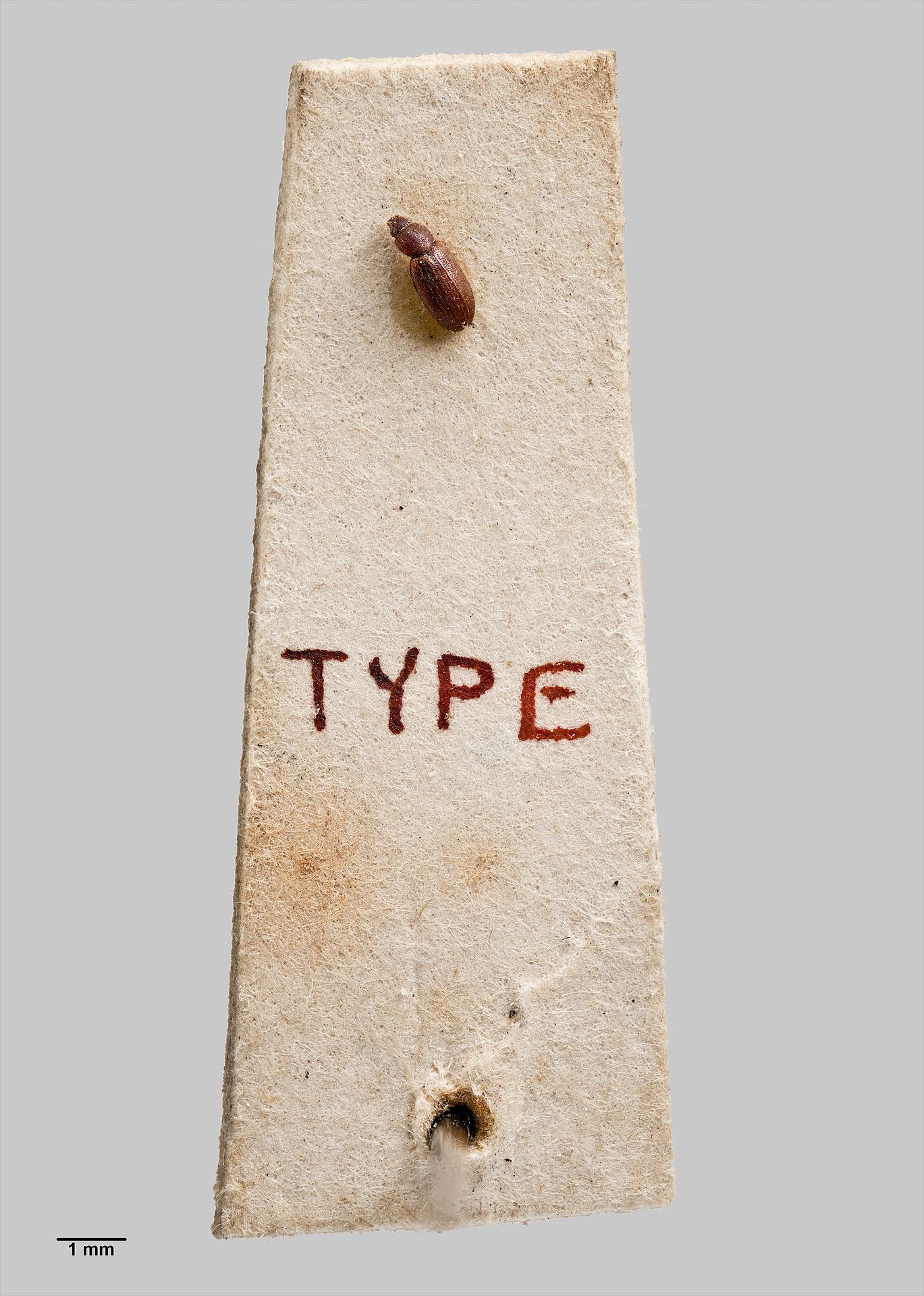
Corticaria is a of small beetles in the Latridiidae, commonly known as plaster beetles or minute brown scavenger beetles. Members of this genus are saproxylic, associated with dead and decaying wood, bark, and other decomposing organic matter. The genus is distinguished by morphological features including a small transverse scutellum, a pubescent prosternal impression, and dentate prothoracic sides. Corticaria occur across Europe and North America, with some species also found in artificial environments such as barns and stables.
Pronunciation
How to pronounce Corticaria: /kɔrtɪˈkarɪa/
These audio files are automatically generated. While they are not always 100% accurate, they are a good starting point.
Identification
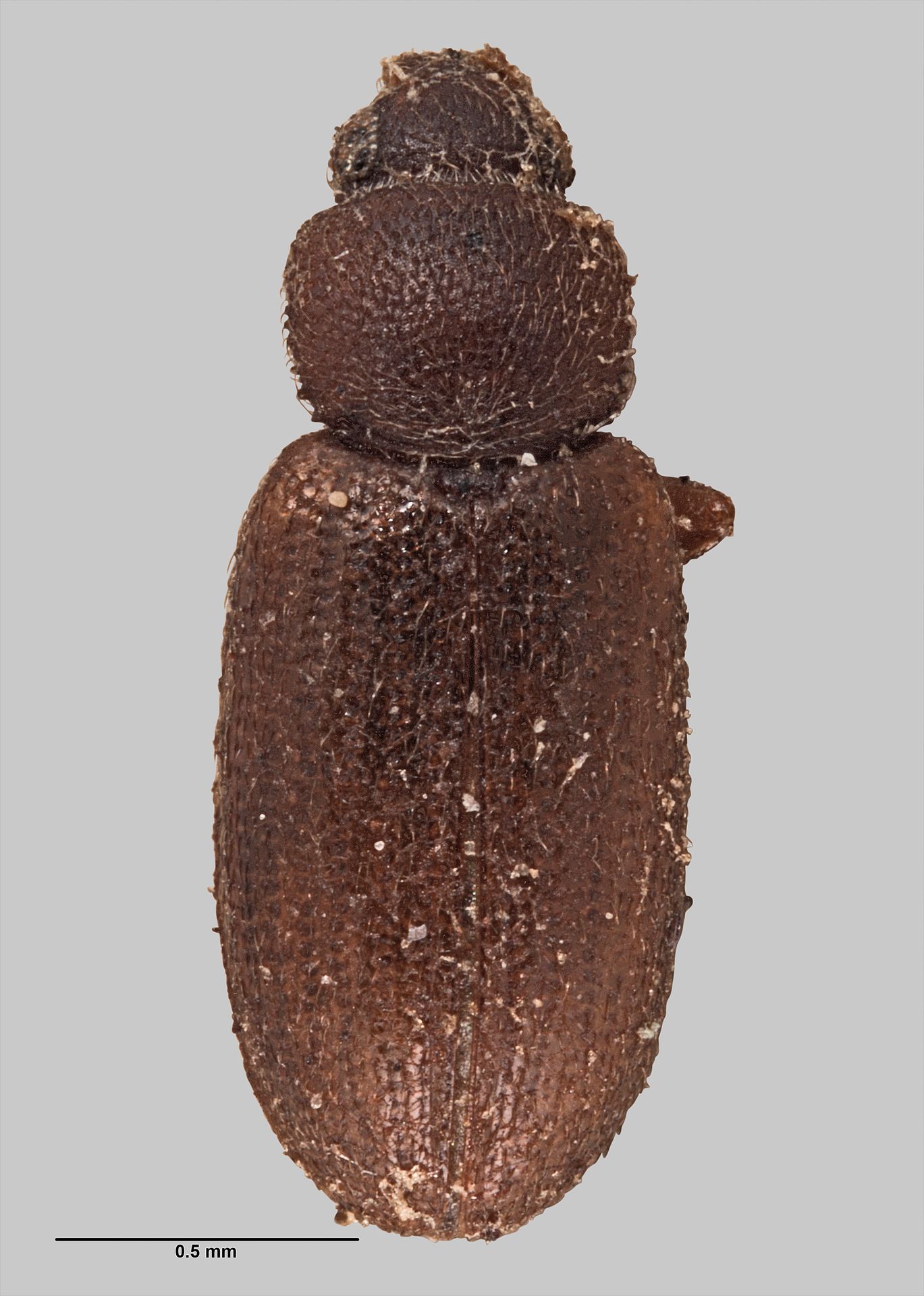
In North America, Corticaria can be recognized by body length greater than 1.8 mm combined with elongate . The presence of a pubescent prosternal impression visible from the sides, dentate prothoracic sides, and small transverse scutellum distinguishes this from other Latridiidae. The three-segmented and dilated first fore tarsomere in males are consistent and genus-level characters. Similar genera in Latridiidae lack the combination of prosternal and pronotal basal impression.
Images
Appearance
Small beetles, typically exceeding 1.8 mm in length in North American , with elongate . The scutellum is small and transverse. The pronotum usually bears a round impression before the base. The has a hairy (pubescent) impression to each fore , visible from lateral view. Prothoracic sides are slightly toothed (dentate). of all legs consist of three segments. Males possess a dilated first tarsomere on the fore tarsus.
Habitat
Natural include dead wood, decaying wood, bark, wood waste, leaf litter, decaying seaweed, and flowering vegetation. Artificial environments include stables, barns, and piles of wood. The is saproxylic, dependent on dead or decaying wood substrates. Corticaria impressa has been observed grazing lichens on decaying hazel bark.
Distribution
Europe (including Denmark, Norway, Sweden); North America. GBIF records indicate presence in Scandinavia. The has broad distribution across temperate regions.
Diet
of at least one (Corticaria impressa) graze on lichens. The is associated with mouldy substances and decaying organic matter, suggesting feeding on fungi and decomposing plant material.
Ecological Role
Saproxylic beetles contributing to wood decomposition processes. Association with decaying organic matter, fungi, and lichens indicates roles in nutrient cycling and decomposition in forest .
Human Relevance
Occur in artificial environments such as stables and barns, potentially indicating association with stored organic materials or decaying wood in agricultural settings. Not documented as significant pests.
Similar Taxa
- Other Latridiidae generaCorticaria is distinguished by the combination of pubescent prosternal impressions, dentate prothoracic sides, and pronotal basal impression; similar lack one or more of these features.
More Details
Taxonomic note
The Corticaria was established by Marsham in 1802 and is the type genus of Corticariinae within Latridiidae.