
Microweiseini
Leng, 1920
Genus Guides
5- Allenius
- Coccidophilus
- Gnathoweisea
- Microweisea(Minute Lady Beetles)
- Nipus
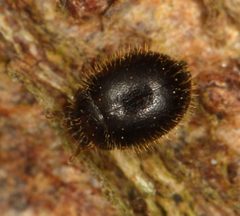
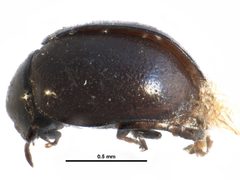
Microweiseini is a tribe of minute ladybird beetles (Coccinellidae) established by Leng in 1920. The tribe comprises approximately 16 extant distributed primarily in the New World, with a notable fossil record from Eocene Baltic amber (~48 million years ago). Recent phylogenetic analysis suggests a possible Gondwanan origin for the tribe. The fossil genus Baltosidis from Baltic amber is phylogenetically nested within modern New World genera, indicating complex historical biogeographic patterns.

Pronunciation
How to pronounce Microweiseini: /ˌmaɪkroʊˌwaɪˈsaɪnaɪ/
These audio files are automatically generated. While they are not always 100% accurate, they are a good starting point.
Identification
Members of Microweiseini are distinguished from other Coccinellidae by their minute body size. The fossil Baltosidis shares morphological features with extant Microweiseini genera, including characteristics that support its placement within this tribe. Specific diagnostic features for the tribe as a whole are not detailed in available sources.
Images
Distribution
Extant distributed exclusively in the New World. Fossil representatives known from Eocene Baltic amber deposits in Europe (~48 million years ago). No close relatives of the fossil genus Baltosidis are known from Europe or the Palaearctic region.
Similar Taxa
- Other Coccinellidae tribesMicroweiseini differs in its minute body size and primarily New World distribution compared to other ladybird beetle tribes
- Baltosidis (fossil)Fossil from Baltic amber phylogenetically placed within Microweiseini based on morphological analysis, though its European fossil distribution contrasts with the exclusively New World distribution of its closest extant relatives
More Details
Fossil significance
The Eocene Baltic amber fossils represent the first and only known fossil record of Microweiseini, predating all previous fossil records for the tribe by approximately 48 million years. The phylogenetic placement of Baltosidis with New World despite its European fossil occurrence suggests either complex vicariance patterns or extinction of European lineages.
Taxonomic instability
The of Microweiseini has been recently revised, with some (Cryptoweisea, Diloponis, Pseudosmilia) having been included in the tribe but potentially excluded in current classifications.