
Diomini
Gordon, 1999
Genus Guides
2- Decadiomus
- Diomus(lady beetles)
Diomini is a tribe of ladybird beetles (Coccinellidae) established by Gordon (1999). The tribe includes six : Diomus (type genus), Andrzej, Decadiomus, Dichaina, Heterodiomus, and Moiradiomus. Members are characterized by specific abdominal postcoxal line and antennal structure. The tribe has worldwide distribution with greatest diversity in the Southern Hemisphere, particularly the Neotropical and Australian Regions.
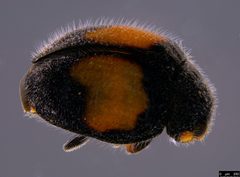
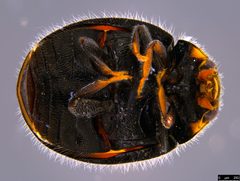
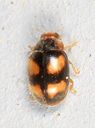
Pronunciation
How to pronounce Diomini: //ˈdiː.oʊˌmaɪ.naɪ//
These audio files are automatically generated. While they are not always 100% accurate, they are a good starting point.
Identification
Diomini can be distinguished from other Coccinellidae tribes by specific abdominal postcoxal line and antennal structure. The tribe includes both elongate and more compact body forms across its constituent .
Images
Habitat
Associated with plants infested by hemipteran prey, including papaya, cassava, and ornamental plants such as Mussaenda pubescens, Jatropha curcas, and Jatropha integerrima.
Distribution
Worldwide, with greater diversity in the Southern Hemisphere, particularly the Neotropical and Australian Regions. The type Diomus has been recorded from Africa, Asia, the Americas, and Oceania.
Diet
Mealybugs, aphids, scale insects, and whiteflies.
Host Associations
- Paracoccus marginatus - preypapaya mealybug
- Psylla uncatoides - preyAlbizzia ; recorded for D. pumilio
Life Cycle
Complete with , larva, pupa, and stages. Larvae are elongate oval with short bristles and waxy secretions; in at least one (Diomus guilavoguii), larvae are light yellow with black stripes and pass through four instars before .
Behavior
Both and larval stages are predatory. Some have been introduced for of pest mealybugs.
Ecological Role
Natural enemy and agent of mealybugs and other hemipteran pests; contributes to suppression of such as Paracoccus marginatus.
Human Relevance
Used in programs against agricultural and horticultural pests, particularly mealybugs infesting papaya and ornamental plants.
Similar Taxa
- CoccinelliniBoth are tribes within Coccinellinae; Diomini distinguished by abdominal postcoxal line and antennal structure rather than the more rounded, spotted appearance typical of many Coccinellini
More Details
Taxonomic history
Originally established by Gordon (1999) to include Diomus and four Neotropical (Decadiomus, Heterodiomus, Moiradiomus, and one other). Expanded by Ślipiński (2007) to include Dichaina and Andrzej from Australia.