Neoharmonia
Crotch, 1871
Species Guides
1- Neoharmonia venusta(V-marked Lady Beetle)
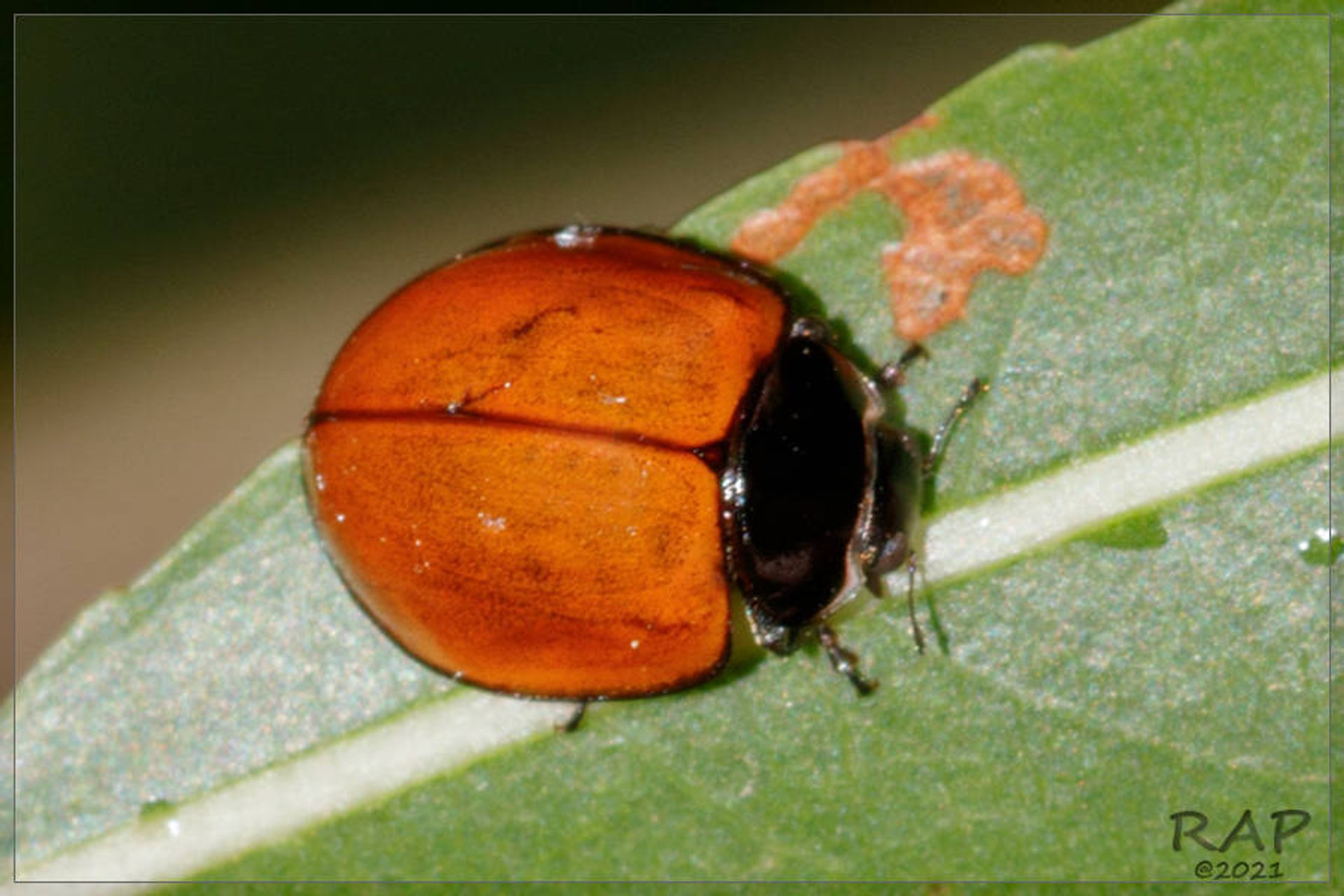
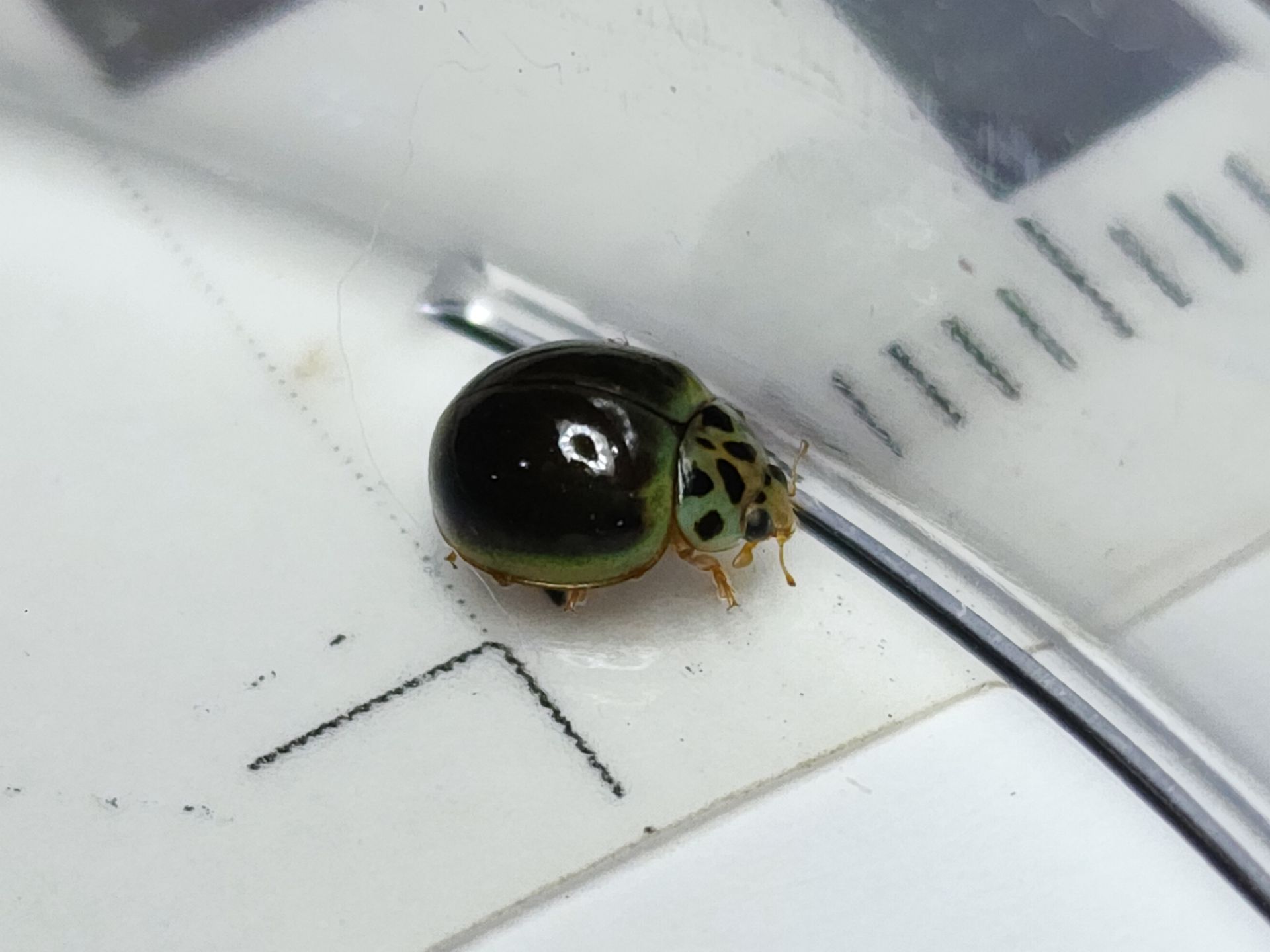
Neoharmonia is a of lady beetles in the Coccinellidae, established by Crotch in 1871. The genus contains at least five described , including the V-marked Lady Beetle (Neoharmonia venusta), which has been documented in the southwestern United States. One , N. venusta ampla, is restricted to a narrow range from central Arizona to south Texas. The genus is part of the diverse lady beetle fauna of North America, though individual species appear to be encountered infrequently in the field.
Pronunciation
How to pronounce Neoharmonia: //niːoʊˌhɑːrˈmoʊniə//
These audio files are automatically generated. While they are not always 100% accurate, they are a good starting point.
Identification
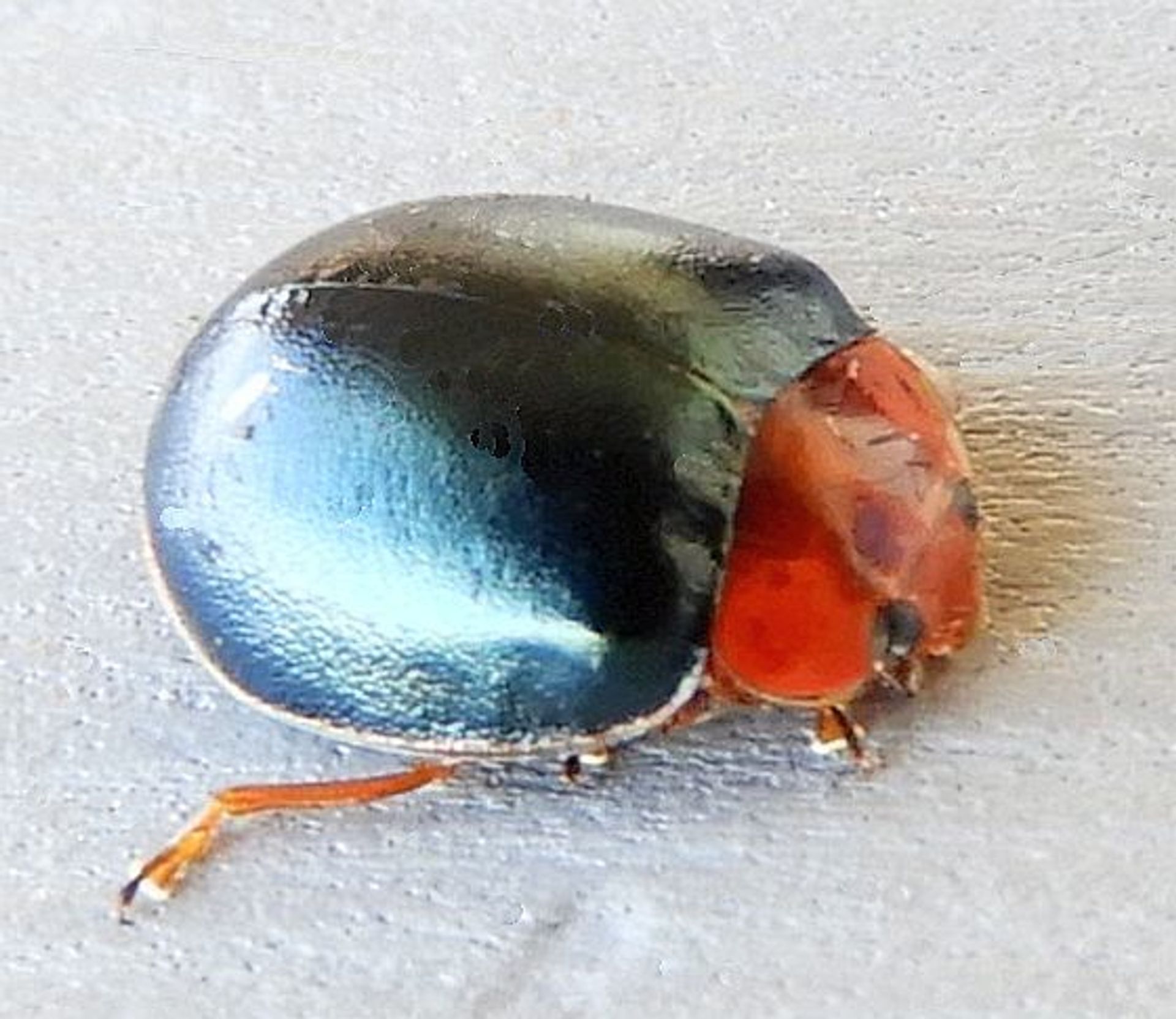
Neoharmonia can be recognized by their metallic blue combined with an orange or reddish pronotum. The N. venusta ampla has been described as having this distinctive color pattern. As with many coccinellid , precise identification to species level requires examination of specific morphological characters not detailed in available sources.
Images
Habitat
Neoharmonia venusta ampla has been observed in riparian along rivers, where individuals were found on vegetation at the water's edge and on islands.
Distribution
The occurs in North America. Neoharmonia venusta ampla is known only from central Arizona to south Texas. Other in the genus have broader distributions, with N. venusta (sensu stricto) and N. erythroptera, N. marginalis, N. solanoi, and N. zischkai documented from various regions, though specific range details are not well established in available sources.
More Details
Species diversity
The includes five described : Neoharmonia erythroptera, N. marginalis, N. solanoi, N. venusta, and N. zischkai. N. solanoi was described as recently as 2018 from Mexico, indicating ongoing taxonomic work in this genus.
Subspecies recognition
At least one , N. venusta ampla, has been recognized, distinguished by geographic restriction and possibly subtle morphological differences from the nominate form.