Attalus
Erichson, 1840
Species Guides
21Attalus is a of soft-bodied beetles in the Melyridae ( Malachiinae), established by Erichson in 1840. The genus includes found in temperate regions, with documented details available for at least one species, Attalus (Attalus) elongatulus, which exhibits a . are typically found on vegetation in coastal or cliff-line .
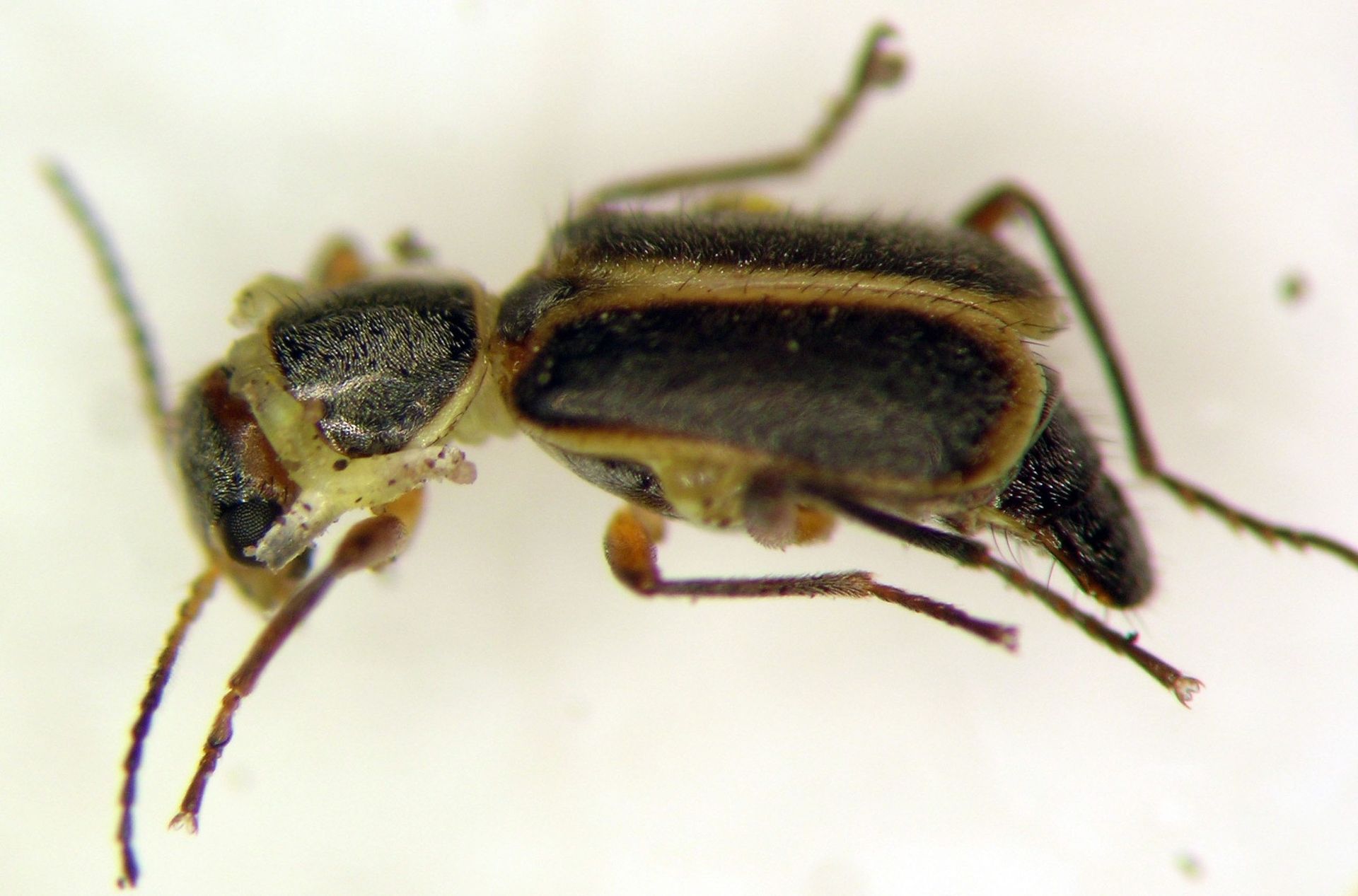
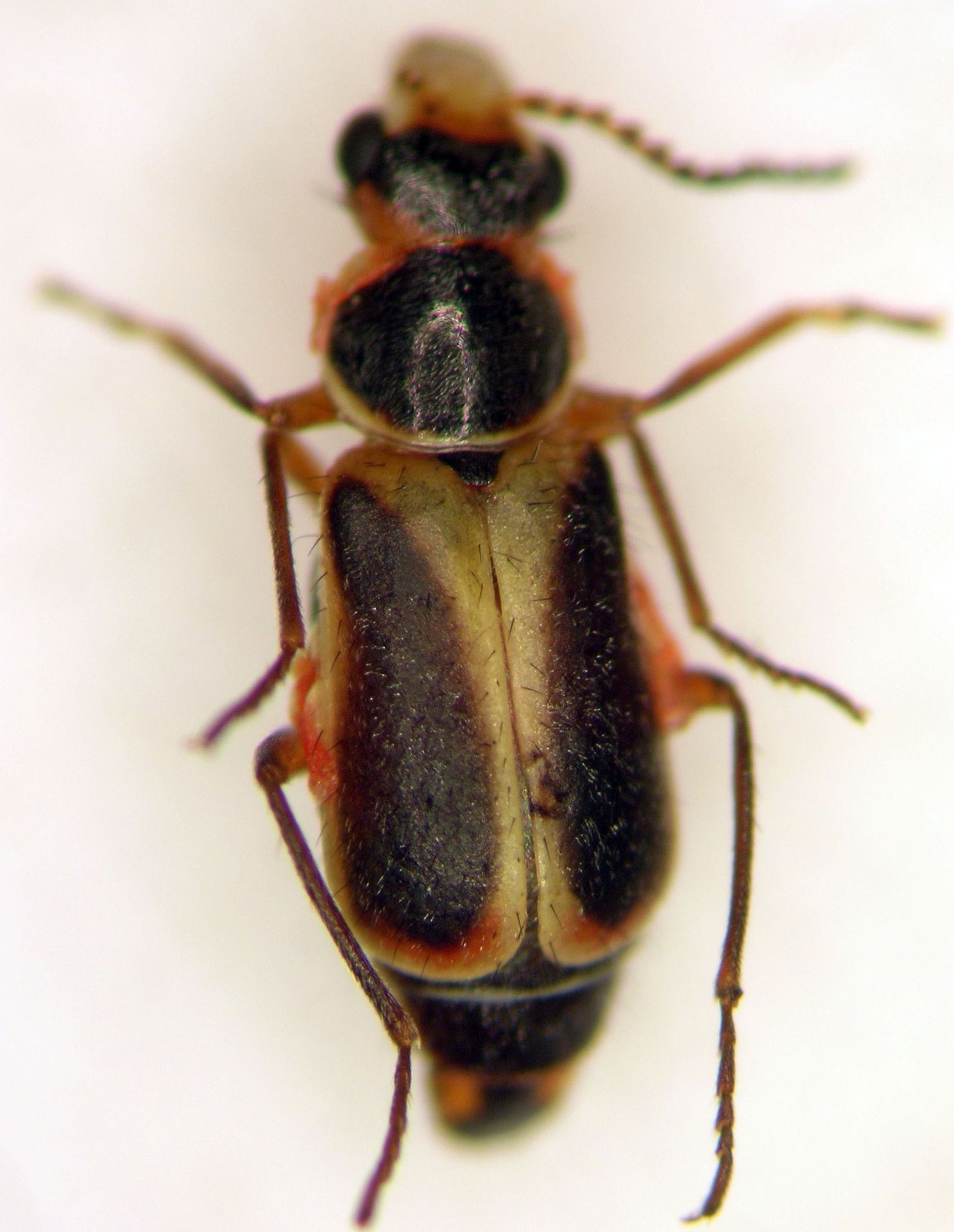
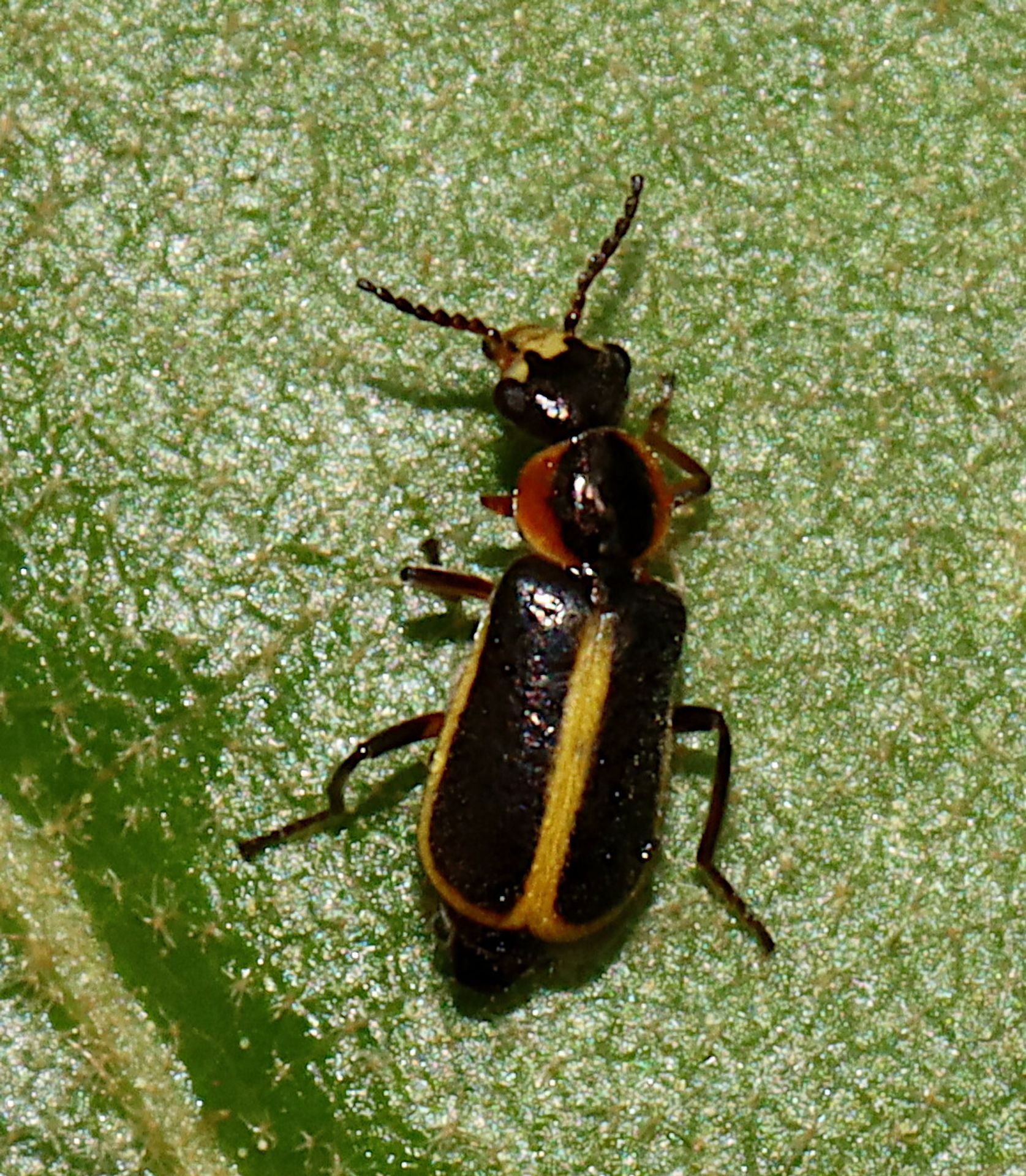
Pronunciation
How to pronounce Attalus: /ˈæt.ə.ləs/
These audio files are automatically generated. While they are not always 100% accurate, they are a good starting point.
Images
Habitat
Warm microclimatic zones with rich flora along cliff-lined coasts. have been observed on plants of Pittosporaceae and Lauraceae. mature larvae have been found on rocks on seashores. The microhabitat of the remains insufficiently explored.
Distribution
Documented from the temperate zone of Japan for Attalus elongatulus. Broader geographic range for the requires further documentation.
Host Associations
- Pittosporaceae - occurrence found on plants; not confirmed as larval food source
- Lauraceae - occurrence found on plants; not confirmed as larval food source
Life Cycle
(one per year). occurs in the mature larval stage, with larvae found on seashore rocks. This pattern was first documented in Attalus elongatulus and represents a newly disclosed trait for the Malachiidae.
More Details
Taxonomic note
Attalus is placed in Melyridae (soft-bodied plant beetles) by most modern classifications including NCBI and Catalogue of Life. Some sources, including iNaturalist, may use the synonym Malachiidae at family rank.
Research significance
Study of Attalus elongatulus revealed the first known on larval abdominal tergites in the Malachiidae, representing a morphological discovery of structural importance.