
Monophylla
Spatulate Clerids
Species Guides
3- Monophylla californica
- Monophylla pallipes
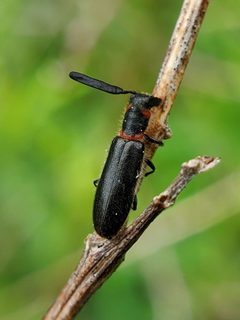
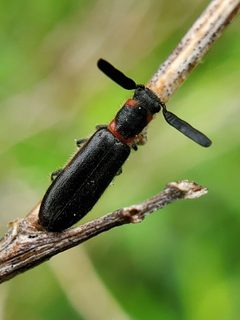
- Monophylla terminata(checkered beetle)
Monophylla is a of checkered beetles in the Cleridae, commonly known as spatulate clerids. The genus contains at least four described distributed in North America. These beetles are part of the diverse Cleridae family, which are predominantly predatory beetles often associated with other insects in various .
Pronunciation
How to pronounce Monophylla: /mɒ.nəˈfɪl.lə/
These audio files are automatically generated. While they are not always 100% accurate, they are a good starting point.
Identification
Monophylla can be distinguished from other clerid by their spatulate (spoon-shaped) tarsal claws, a characteristic reflected in their . The genus is relatively small within Cleridae, with only four described species. Specific identification to species level requires examination of detailed morphological characters including antennal structure, pronotal shape, and elytral punctation patterns.
Images
Distribution
Monophylla are found in North America. The four described species have the following distributions: Monophylla californica (California), Monophylla cinctipennis (widespread), Monophylla pallipes (southwestern U.S.), and Monophylla terminata (eastern North America).
Ecological Role
Similar Taxa
- Other Cleridae generaMonophylla is distinguished from related clerid primarily by its spatulate tarsal claws. Many other clerid genera have simple or differently modified tarsal claws, and differ in body proportions, antennal structure, and coloration patterns.
- EnoclerusA large and common of Cleridae that overlaps in distribution with some Monophylla . Enoclerus species typically have more vivid color patterns and lack the spatulate tarsal claws characteristic of Monophylla.
- CymatoderaAnother clerid found in similar . Cymatodera generally have more elongated bodies and differently structured compared to Monophylla.
More Details
Species list
The four described in Monophylla are: Monophylla californica (Fall, 1901), Monophylla cinctipennis Chevrolat, 1874, Monophylla pallipes Schaeffer, 1908, and Monophylla terminata (Say, 1835).
Sources and further reading
- BugGuide
- Wikipedia
- iNaturalist taxon
- NCBI Taxonomy
- Catalogue of Life
- First internet image of Phaenops piniedulis | Beetles In The Bush
- North America’s second-rarest pine | Beetles In The Bush
- Chrysididae | Beetles In The Bush
- Oecanthidae | Beetles In The Bush
- Boesenbergia monophylla (Zingiberaceae: Zingibereae), a new species from Central Vietnam