
Opilo
Latreille, 1802
Species Guides
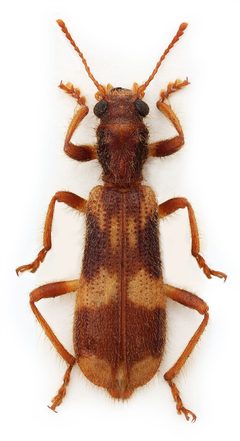
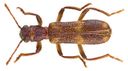
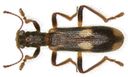
2Opilo is a of checkered beetles ( Cleridae) in the Clerinae. within this genus are distributed across Europe, with records from Denmark, Norway, Sweden, and Italy. The of the genus is complicated, with some species historically considered synonymous. At least one species, Opilo germanus, is extremely rare across its European range and poorly known biologically.
Pronunciation
How to pronounce Opilo: /oʊˈpaɪloʊ/
These audio files are automatically generated. While they are not always 100% accurate, they are a good starting point.
Identification
Members of Opilo can be distinguished from other Clerinae by tribal placement in Opilonini. -level identification within the genus is complicated by historical taxonomic confusion; some authors have considered O. germanus synonymous with O. abeillei, O. domesticus, O. pallidus, or O. mollis. Accurate identification may require examination of subtle morphological differences and geographic context, as distribution ranges differ among these .
Images
Distribution
Europe. Documented from Denmark, Norway, Sweden, and Italy. The has a broader European distribution, though specific range boundaries for individual remain poorly resolved due to taxonomic complications and rarity of records.
Similar Taxa
- Opilo abeillei, O. domesticus, O. pallidus, O. mollisHistorical taxonomic confusion with O. germanus; some authors have treated these as synonymous, though their distribution ranges are not identical, suggesting distinct ecological preferences and likely separate status.
More Details
Taxonomic Complexity
The classification of within Opilo is complicated. Some authors have considered O. germanus synonymous with multiple other species, but distribution data suggest these have distinct ranges and ecological preferences. Further faunistic and taxonomic study is needed to resolve species boundaries.
Sources and further reading
- BugGuide
- Wikipedia
- GBIF taxonomy match
- iNaturalist taxon
- NCBI Taxonomy
- Catalogue of Life
- First record of Opilo germanus Chevrolat, 1843 (Coleoptera: Cleridae) from Italy with remarks on its distribution in Europe Prvi podatek o pisancu Opilo germanus Chevrolat, 1843 (Coleoptera: Cleridae) v Italiji s komentarjem njegove razširjenosti po Evropi