
Triarius lividus
(J.L.LeConte, 1884)
skeletonizing leaf beetle, flea beetle
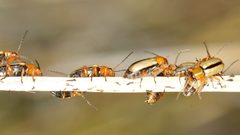
Triarius lividus is a of skeletonizing leaf beetle in the Chrysomelidae. It occurs in Central America and North America, with documented presence from Arizona to western Texas. The species is characterized by skeletonizing feeding damage on plants. It is one of relatively few species in the Triarius.
Pronunciation
How to pronounce Triarius lividus: //traɪˈɛəriəs ˈlɪvɪdəs//
These audio files are automatically generated. While they are not always 100% accurate, they are a good starting point.
Identification
Triarius lividus can be distinguished from other Triarius by its association with specific plants and geographic range in the southwestern United States and Central America. The Triarius is distinguished from related chrysomelid genera by morphological features of the and pronotum, though specific diagnostic characters for T. lividus require examination of .
Images
Distribution
Central America and North America, specifically documented from Arizona to western Texas in the United States.
Diet
Skeletonizing leaf beetle; feeds on leaves, producing characteristic skeletonized damage by consuming leaf tissue between .
Behavior
Skeletonizing feeding on leaves, removing tissue between leaf .
Ecological Role
Herbivore; contributes to leaf damage and nutrient cycling in plant .
Similar Taxa
- Other Triarius speciesSimilar and skeletonizing feeding habit; requires examination of specific characters to distinguish
- Other Chrysomelidae skeletonizing leaf beetlesSimilar feeding damage patterns; -level characters separate Triarius from related genera
More Details
Taxonomic Note
The was described by J.L. LeConte in 1884. The Triarius is relatively small compared to other Chrysomelidae genera.
Observation Data
iNaturalist records indicate limited observation data with 8 documented observations, suggesting the may be underreported or naturally uncommon.