
Luperosoma
Jacoby, 1891
Species Guides
2Luperosoma is a of leaf beetles established by Jacoby in 1891. The genus is distributed across North America and the Neotropics, with approximately 12 described . Species-level has been revised by Blake (1966) and Bechyné, with several species originally described in other genera and later transferred to Luperosoma.
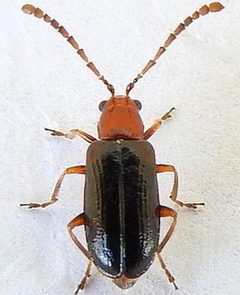
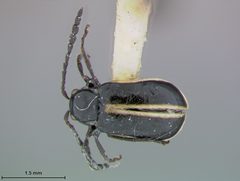
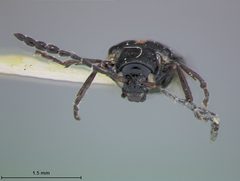
Pronunciation
How to pronounce Luperosoma: /luːˈpɛroʊˌsoʊmə/
These audio files are automatically generated. While they are not always 100% accurate, they are a good starting point.
Identification
Distinguishing Luperosoma from related leaf beetle requires examination of antennal structure, pronotal shape, and elytral . The genus name references similarity to Luperus, suggesting potential morphological resemblance to that genus. -level identification relies on characters such as body proportions, coloration patterns, and male genitalia.
Images
Distribution
North America and the Neotropics. Records include the United States (southeastern and southwestern regions), Mexico, and South America (Peru, based on L. koepckei).
Similar Taxa
- Luperus name suggests morphological similarity; both are leaf beetle genera in Chrysomelidae, potentially requiring careful examination of antennal and pronotal characters for separation.
- Other Galerucinae generaAs a member of the leaf beetle Galerucinae, Luperosoma may resemble other galerucine ; definitive identification requires reference to original descriptions and revisionary works.
More Details
Taxonomic history
The was established by Martin Jacoby in 1891 with Luperosoma marginatum as the type . Several species were transferred from other genera: L. amplicorne from Monomacra, L. parallelum and L. subsulcatum from Metrioidea, and L. parvulum from Xanthogaleruca. The genus was revised by Doris H. Blake in 1966, who described several new species and provided a key to species.
Species diversity
Sources disagree on count: iNaturalist reports about seven described species, while the Wikipedia list includes 12 species names. This discrepancy may reflect subsequent synonymies or differing taxonomic treatments.