
Ophraea
Jacoby, 1886
Species Guides
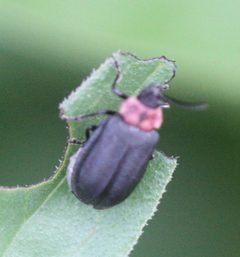
1Ophraea is a of skeletonizing leaf beetles in the Chrysomelidae. The genus contains approximately eight described , with twelve species names listed in taxonomic records. Members are distributed across North America and the Neotropics. These beetles are characterized by their leaf-feeding , specifically skeletonizing plant tissue between leaf .
Pronunciation
How to pronounce Ophraea: /ɒˈfriːə/
These audio files are automatically generated. While they are not always 100% accurate, they are a good starting point.
Identification
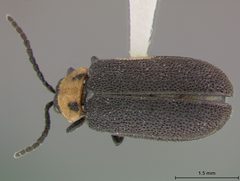
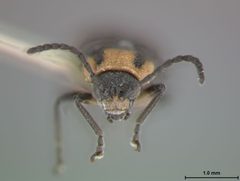
Ophraea can be recognized as small to medium-sized chrysomelid beetles with the typical skeletonizing leaf beetle . Specific diagnostic features for the include characteristics of the pronotum and elytral structure, though species-level identification requires examination of genitalia and other subtle morphological traits. The genus name Ophraea may be distinguished from related genera by combinations of antennal structure, body proportions, and male genitalia configuration.
Images
Distribution
North America and the Neotropics, with records extending from the United States through Central America to South America.
Diet
Skeletonizing leaf feeding has been observed, where beetles consume leaf tissue between while leaving the vascular network intact.
Behavior
Skeletonizing feeding creates distinctive damage patterns on plant leaves, with tissue removed between the network.
Ecological Role
As leaf-feeding herbivores, members of this contribute to nutrient cycling through consumption of living plant tissue and may influence plant dynamics in their native .
Similar Taxa
- Other Galerucinae generaOphraea shares the skeletonizing leaf beetle feeding habit with many other in Galerucinae; differentiation requires examination of male genitalia and subtle body proportions.
- XanthogalerucaBoth exhibit skeletonizing feeding damage and similar body plans; Ophraea differs in geographic distribution and specific antennal and pronotal characteristics.
More Details
Taxonomic note
Taxonomic sources list between 8 and 12 described for this , indicating some uncertainty or recent synonymization of species names. The type species is Ophraea aenea Jacoby, 1886.
Observation data
As of source data compilation, the had 27 research-grade observations on iNaturalist, suggesting it is infrequently encountered or underreported relative to many other chrysomelid genera.