
Systena laevis
Blake, 1935
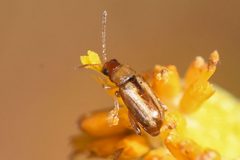
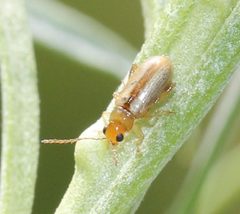
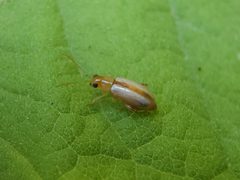
Systena laevis is a of flea beetle ( Chrysomelidae) native to North America. Flea beetles in the Systena are small leaf beetles characterized by their enlarged hind that enable jumping . The species was described by Blake in 1935. Specific ecological details for S. laevis remain poorly documented in the scientific literature.
Pronunciation
How to pronounce Systena laevis: //ˈsɪstɪnə ˈlaɪvɪs//
These audio files are automatically generated. While they are not always 100% accurate, they are a good starting point.
Identification
Systena laevis can be distinguished from other flea beetles by characteristics of the Systena: small body size (typically 3–5 mm), enlarged hind adapted for jumping, and with 11 segments. -level identification within Systena requires examination of subtle morphological features such as elytral punctation patterns, coloration, and male genitalia. It may be confused with other small chrysomelids in the tribe Alticini, particularly other Systena species, necessitating reference to original species descriptions or diagnostic keys.
Images
Distribution
North America. Specific range details beyond continental presence are not well documented.
Similar Taxa
- Systena blandaBoth are North American Systena of similar size and general appearance. S. blanda (palestriped flea beetle) has documented association with sunflowers and other Asteraceae, and shows distinct pale longitudinal stripes on the . S. laevis lacks these stripes and has different associations.
- Other Alticini genera (e.g., Altica, Disonycha)Similar small size, jumping ability, and leaf-feeding habits. Systena typically have more slender body form and different antennal proportions; precise identification requires examination of tarsal segment number and other subtle characters.
More Details
Taxonomic note
The specific epithet 'laevis' (smooth) likely refers to the relatively smooth, less punctate elytral surface compared to , though this interpretation requires verification against the original description.
Sources and further reading
- BugGuide
- Wikipedia
- GBIF taxonomy match
- iNaturalist taxon
- Bohart Museum Open House on 'Many Legged Wonders': How Many Legs Does an Isopod Have? | Bug Squad
- Fly got eye! | Beetles In The Bush
- Bug Eric: More Insects From Sunflowers
- One-shot Wednesday: The “other” hibiscus jewel beetle | Beetles In The Bush
- These Beetles Withstand Cyanide Blasts to Eat Millipedes
- Collecting in Australia’s remote McIlwraith range | Beetles In The Bush