
Hippuriphila equiseti
Beller & Hatch, 1932
Hippuriphila equiseti is a flea beetle in the Chrysomelidae, first described by Beller and Hatch in 1932. It belongs to a small of specialized beetles associated with aquatic or semi-aquatic plants. The is documented from western Canada and is likely associated with horsetail rushes (Equisetum), as suggested by both its specific epithet and the genus name Hippuriphila (meaning 'horse-tail loving').
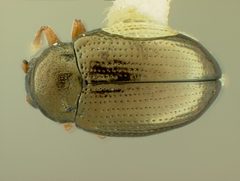
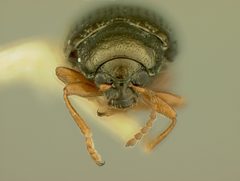
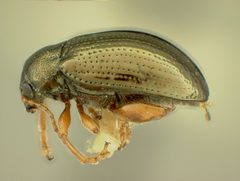
Pronunciation
How to pronounce Hippuriphila equiseti: /hɪˌpjʊərɪˈfaɪlə ɛkwiˈseɪtaɪ/
These audio files are automatically generated. While they are not always 100% accurate, they are a good starting point.
Images
Habitat
Associated with moist supporting Equisetum (horsetail rushes), which are semi-aquatic plants found in wetlands, stream margins, and moist meadows.
Distribution
Recorded from western Canada: Alberta, British Columbia, and Saskatchewan. The ' range may extend more broadly in North America, but confirmed records are limited to these provinces.
Diet
Flea beetles in the Hippuriphila are specialized feeders on Equisetum (horsetails). The specific epithet 'equiseti' and genus name both indicate this association, though direct feeding observations for this have not been documented in the provided sources.
Host Associations
- Equisetum - probable plantInferred from -level specialization and epithet; not directly confirmed for this species
More Details
Taxonomic Note
The Hippuriphila was established for flea beetles specialized on Equisetum. The name combines Greek 'hippos' (horse), 'oura' (tail), and 'phila' (loving), referencing the 'horsetail' for Equisetum.
Data Limitations
This is poorly represented in public databases, with only two observations in iNaturalist and minimal published literature. Most biological details remain undocumented.