
Distigmoptera apicalis
Blake, 1943
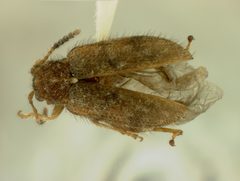
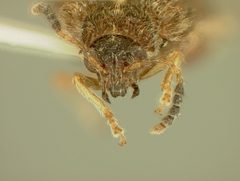
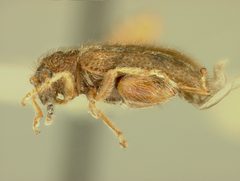
Distigmoptera apicalis is a of flea beetle in the Chrysomelidae. Described by Blake in 1943, it occurs in North America, with confirmed records from Ontario, Canada. The species belongs to the Distigmoptera, a group of small leaf beetles characterized by enlarged hind adapted for jumping. As a member of the Alticinae, it shares the general flea beetle body plan but specific diagnostic features for this species remain poorly documented in accessible literature.
Pronunciation
How to pronounce Distigmoptera apicalis: //dɪˌstɪɡmoʊˈptɛrə əˈpaɪkəlɪs//
These audio files are automatically generated. While they are not always 100% accurate, they are a good starting point.
Identification
Members of Distigmoptera can be distinguished from other flea beetle by features of the tarsal claws and antennal structure, though -level identification typically requires examination of genitalia. Distigmoptera apicalis specifically may be recognized by characteristics of the elytral apex referenced in its species epithet, though published diagnostic descriptions are limited. Comparison with type material or consultation of Blake's original description is necessary for confident identification.
Images
Distribution
North America. Confirmed present in Ontario, Canada.
Similar Taxa
- Other Distigmoptera speciesCongeneric share the same general body plan and require careful examination of male genitalia and subtle external characters for separation.
- Other Alticinae generaMany small flea beetles in related such as Altica, Chaetocnema, or Systena resemble Distigmoptera superficially; antennal and tarsal characters distinguish Distigmoptera.
More Details
Taxonomic note
The Distigmoptera is part of the diverse flea beetle fauna of the New World. The specific epithet 'apicalis' suggests a distinctive feature at the apex of the or another terminal structure, a common naming convention in .
Data limitations
This is rarely encountered in collections and biological literature. The iNaturalist platform records only 3 observations, indicating it is either genuinely uncommon, underreported, or difficult to identify from photographs.