
Distigmoptera
Blake, 1943
Species Guides
6Distigmoptera is a of flea beetles ( Chrysomelidae) established by Blake in 1943. The genus comprises 16 described distributed across North America and the Neotropical region. As members of the flea beetle tribe Alticini, species in this genus possess the enlarged hind characteristic of jumping beetles.
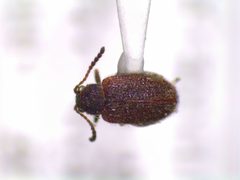
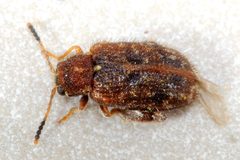
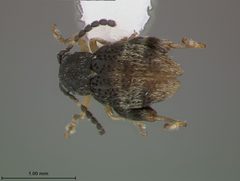
Pronunciation
How to pronounce Distigmoptera: //dɪˌstɪɡmoʊˈptɛrə//
These audio files are automatically generated. While they are not always 100% accurate, they are a good starting point.
Identification
in this can be distinguished from other flea beetle genera by the combination of their geographic distribution (North America and Neotropics) and the generic-level morphological characters established in Blake's 1943 description. Specific diagnostic features for the genus include characteristics of the tarsal claws and antennal structure, though species-level identification requires examination of genitalic characters.
Images
Distribution
North America and the Neotropics, with occurring from the southern United States through Central America and into South America.
Behavior
As flea beetles (tribe Alticini), in this possess enlarged hind adapted for jumping, which serves as an escape mechanism when disturbed.
Similar Taxa
- Other Alticini generaMany flea beetle share the enlarged hind and general body plan; Distigmoptera is distinguished by specific tarsal and antennal characters described by Blake (1943) and its restricted Western Hemisphere distribution.
More Details
Taxonomic history
The was erected by Doris Holmes Blake in 1943 based on specimens from the Americas. The name Distigmoptera refers to the distinctive tarsal claw structure (Greek: dis = twice, stigma = mark, ptera = wing/feather, likely referring to the bifid or divided claw structure characteristic of the genus).