
Metaparia
Crotch, 1873
Species Guides
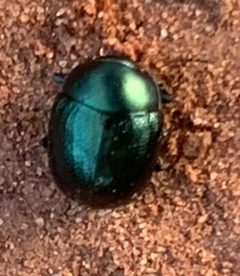
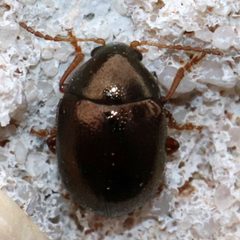
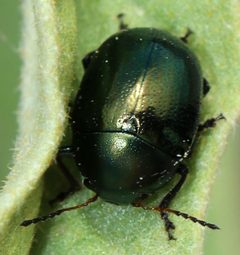
4Metaparia is a of leaf beetles in the Eumolpinae, Chrysomelidae. The genus contains nine described distributed from the United States through Mexico and Central America to Rica. Species were historically classified under related genera including Chrysodina and Spintherophyta before taxonomic revisions placed them in Metaparia. The genus is part of a complex of small, globular Eumolpinae genera that are challenging to distinguish without detailed examination.
Pronunciation
How to pronounce Metaparia: /ˌmɛtəˈpeɪriə/
These audio files are automatically generated. While they are not always 100% accurate, they are a good starting point.
Identification
Members of Metaparia are small, globular leaf beetles typical of the Eumolpinae . They are distinguished from similar such as Spintherophyta, Brachypnoea, and Ischyrolampra by subtle morphological features including antennal structure, pronotal shape, and male genitalia. identification requires examination of or detailed comparison with original descriptions; external alone is often insufficient. The genus can be confused with Spintherophyta, from which some species were transferred based on phylogenetic and morphological studies.
Images
Distribution
United States (southwestern and southern regions), Mexico, Guatemala, Honduras, Rica. The northernmost are found in the United States; the southernmost record is from Costa Rica.
Similar Taxa
- SpintherophytaHistorically conflated with Metaparia; were transferred between these based on taxonomic revisions. Both are small, globular, metallic Eumolpinae with similar overall appearance.
- BrachypnoeaSimilar globular body form; some formerly placed in Metaparia were moved to this . External can be nearly identical.
- IschyrolampraRelated in the same tribe with overlapping distribution and similar size and shape.
- ChrysodinaHistorical name under which some Metaparia were originally described; still encountered in older literature.