
Coscinoptera
Lacordaire, 1848
Species Guides
1- Coscinoptera aeneipennis(Bronze-winged Cryptocephaline)
Coscinoptera is a of case-bearing leaf beetles in the Chrysomelidae. The genus was established by Lacordaire in 1848. Members of this genus belong to the Cryptocephalinae, tribe Clytrini, and are characterized by their case-bearing larval habit where larvae construct protective cases from fecal material and plant debris. The genus includes such as C. aeneipennis, C. mucida, and C. villosa.
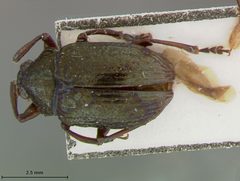
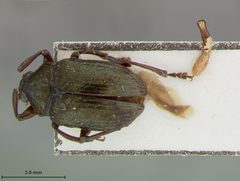
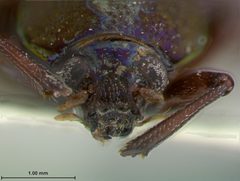
Pronunciation
How to pronounce Coscinoptera: //ˌkɒskɪˈnɒptərə//
These audio files are automatically generated. While they are not always 100% accurate, they are a good starting point.
Images
Distribution
Colombia (CO) based on GBIF distribution records. Additional range likely extends through the Neotropical region given the 's taxonomic affinities, though specific country records beyond Colombia are not confirmed in available sources.
Life Cycle
Larvae are case-bearing, constructing protective portable cases from fecal material and plant debris, a characteristic trait of the Cryptocephalinae . Specific details of , pupal, and longevity are not documented for this .
More Details
Taxonomic placement
Coscinoptera is placed in the tribe Clytrini within the Cryptocephalinae. The Clytrini are known for their distinctive larval case-building .
Species diversity
At least three are recognized: Coscinoptera aeneipennis (LeConte, 1858), Coscinoptera mucida (Say, 1837), and Coscinoptera villosa (Jacoby, 1888). The specific epithet 'mucida' suggests a possible association with mucilaginous or slimy plant substrates, though this is speculative.