
Anomoea
Agassiz, 1847
Species Guides
4- Anomoea flavokansiensis
- Anomoea laticlavia(Clay-colored Leaf Beetle)
- Anomoea nitidicollis(case-bearing leaf beetle)
- Anomoea rufifrons(Brick and Black Anomoea)
Anomoea is a of leaf beetles in the Cryptocephalinae, Chrysomelidae. The genus name is frequently confused with the tephritid fly genus Anomoia due to historical nomenclatural confusion. The genus includes such as Anomoea flavokansiensis, which has been studied as a herbivore of leguminous plants in agricultural systems.

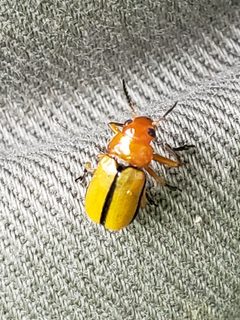
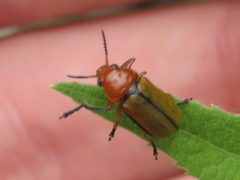
Pronunciation
How to pronounce Anomoea: /ˌænəˈmiːə/
These audio files are automatically generated. While they are not always 100% accurate, they are a good starting point.
Images
Distribution
Colorado (based on GBIF records); broader distribution likely extends across North America given records from New Mexico, Oklahoma, and other regions.
Host Associations
- Desmanthus illinoensis - herbivoreAnomoea flavokansiensis feeds on young leaves and inflorescences of this leguminous plant; association documented in agricultural studies.
- Juniperus deppeana - incidentalAnomoea sp. collected from dead alligator juniper wood in New Mexico, though noted as likely incidental association rather than true .
Life Cycle
Anomoea flavokansiensis overwinters as ; adults emerge from sites in spring.
Human Relevance
Anomoea flavokansiensis has been studied as a potential pest in grain agriculture systems, where high densities may reduce seed yield of Desmanthus illinoensis. planting systems may help reduce compared to .
Similar Taxa
- AnomoiaTephritid fly with confusingly similar name; historical confusion over nomenclatural precedence between these genera.
Sources and further reading
- BugGuide
- Wikipedia
- GBIF taxonomy match
- iNaturalist taxon
- NCBI Taxonomy
- Catalogue of Life
- Mantispidae | Beetles In The Bush
- July | 2024 | Beetles In The Bush
- Overwintering Biology of Anomoea flavokansiensis (Coleoptera: Chrysomelidae)
- Density of Anomoea flavokansiensis on Desmanthus illinoensis in monoculture and polyculture