
Anoplodera pubera
(Say, 1827)
Downy Long-horned Beetle
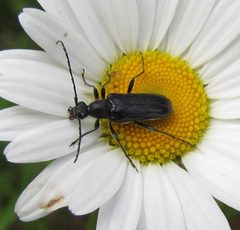
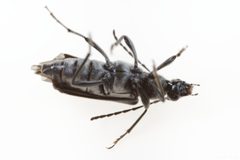
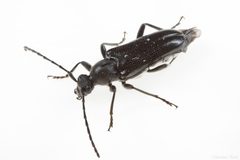
Anoplodera pubera, commonly known as the Downy Long-horned , is a of flower longhorn beetle in the Cerambycidae. It is recognized by its distinctive downy or pubescent appearance. The species occurs across eastern and central Canada, with records from Manitoba to the Atlantic provinces. As a member of the Lepturinae, are likely associated with flowers and decaying wood typical of the group.
Pronunciation
How to pronounce Anoplodera pubera: //æˌnɒploʊˈdɪərə pjuˈbɛrə//
These audio files are automatically generated. While they are not always 100% accurate, they are a good starting point.
Identification
Distinguished from other Anoplodera by the dense, short covering the body surface. The specific epithet 'pubera' refers to this downy characteristic. Similar Lepturinae species may lack this dense hair covering or differ in color pattern. Antennal length and body proportions separate it from non-cerambycid beetles.
Images
Appearance
Body covered with dense, short giving a downy or velvety appearance. long, extending well beyond the body, characteristic of Cerambycidae. Coloration generally dark with possible reddish or brownish tones. Body form moderately elongated, typical of Lepturinae flower longhorns.
Habitat
Associated with deciduous forests and wooded areas. frequent flowers for feeding and mating. Larval development occurs in decaying hardwood, typical of Lepturinae. Found in mature forest stands with presence of dead or dying hardwood trees.
Distribution
Eastern and central Canada: Manitoba, Ontario, Québec, New Brunswick, Nova Scotia. Absence of records from western provinces and United States in available data does not preclude wider distribution.
Seasonality
activity period not precisely documented; likely active during summer months when flowers are available, consistent with Lepturinae .
Similar Taxa
- Other Anoplodera speciesMay share general body form and antennal characteristics; distinguished by of and specific color patterns
- Leptura and other Lepturini generaSimilar flower-visiting and elongated body form; differ in specific patterns and antennal proportions
More Details
Etymology
The specific epithet 'pubera' derives from Latin, referring to the downy or pubescent body covering that characterizes this .